How to Avoid Water Damage from a Failing Water Heater in Salmon Creek, WA
admin-plumbernw
December 15th, 2025
Preventing water damage from a failing water heater installation in in Salmon Creek requires a combination of proactive maintenance, early detection of physical symptoms, and the installation of automatic safety devices. Homeowners can prevent catastrophic leaks by flushing the tank annually to remove sediment, checking the anode rod every 3 to 5 years, and installing an automatic shut-off valve. If a water heater is over 10 years old or shows visible rust at the seams, immediate replacement is the only way to guarantee safety against a burst tank.
This guide provides a detailed look at protecting your home from one of the most common plumbing disasters. We draw on years of fieldwork in Salmon Creek and the greater Clark County area to help you identify specific local risks and maintain your system effectively.
Identifying Early Warning Signs
Water heaters rarely burst without giving notice. The tank usually shows physical changes weeks or months before a major failure. Recognizing these indicators allows you to act before gallons of water flood your garage or utility room.
Visual and Auditory Clues
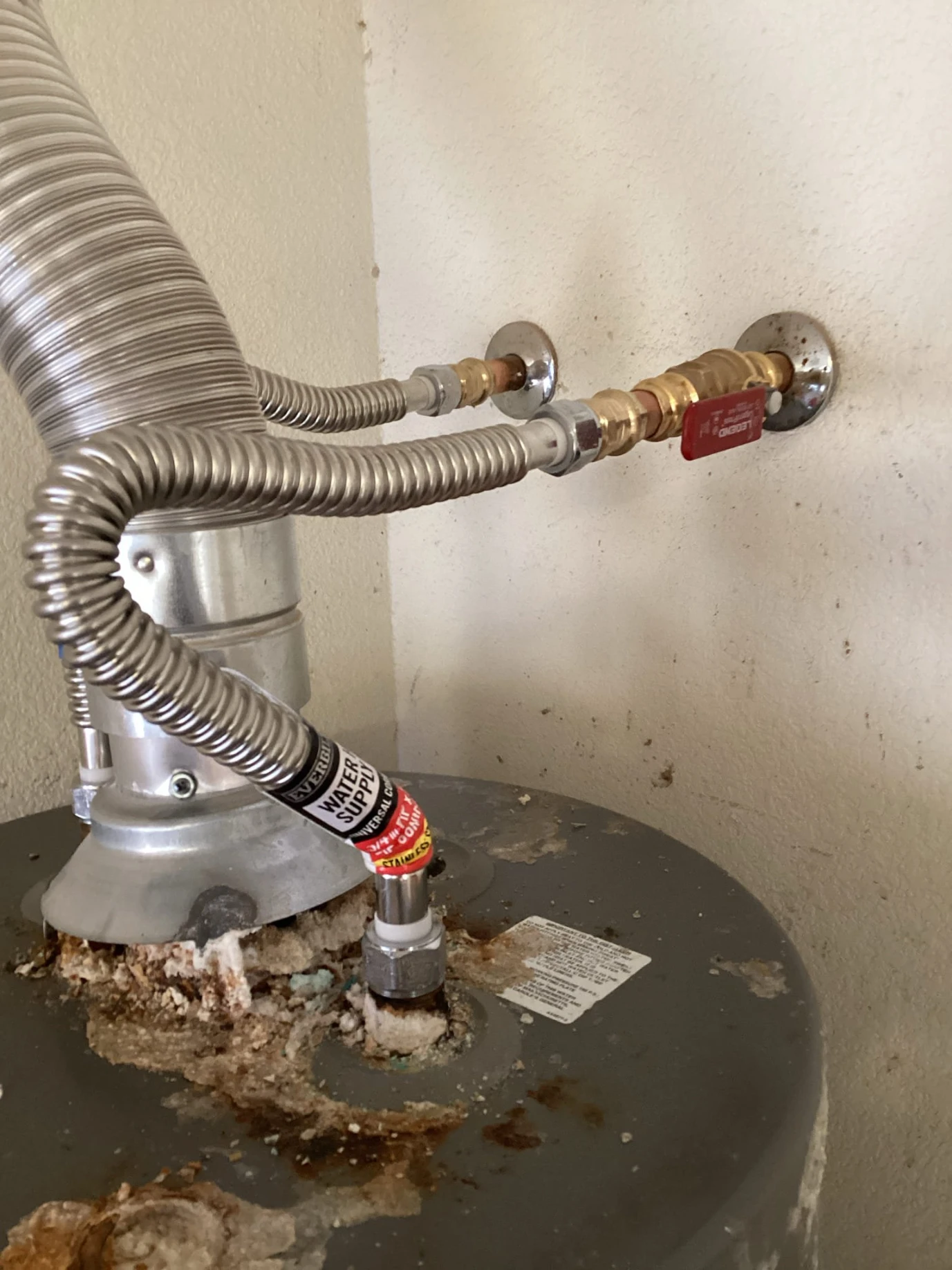
The most obvious sign of trouble is moisture accumulation. If you see water pooling around the base of the unit, the internal steel tank has likely cracked. This is different from condensation, which typically evaporates quickly. Rust streaks running down the side of the tank or forming on the top of the unit near the draft hood indicate that corrosion is eating through the metal from the inside out.
Noises also tell a story. A loud popping, banging, or rumbling sound when the burner turns on suggests heavy sediment buildup. Minerals from the water settle at the bottom of the tank and harden. As the burner heats this layer, pockets of steam bubble up and explode through the sediment. This overheating stresses the metal tank, leading to microcracks that eventually cause leaks.
Water Quality Indicators
Your water quality provides clues about the tank’s internal health. If hot water comes out with a rusty or muddy tint, the tank’s interior lining is deteriorating. A metallic taste or smell often accompanies this visual cue. In Salmon Creek, where water conditions can vary, keeping an eye on water clarity is a simple diagnostic tool.
The Science of Routine Maintenance
Neglecting maintenance accelerates tank corrosion. A report from the Insurance Institute for Business & Home Safety states that 69% of all water heater failures result from a burst or leaking tank. Proper upkeep significantly lowers this risk.
Flushing the Tank
Sediment is the enemy of water heater longevity. To flush the tank, turn off the power (or gas) and the cold water supply. Connect a garden hose to the drain valve at the bottom of the unit and run it to a floor drain or outside. Open a hot water faucet in the house to prevent a vacuum lock, then open the drain valve. Let the water run until it is clear. This removes the mineral deposits that cause overheating and corrosion.
Checking the Anode Rod
The anode rod is a core component in leak prevention. It is a long metal rod, usually magnesium or aluminum, inserted into the top of the tank. Its sole purpose is to attract corrosive elements in the water, so they attack the rod rather than the steel tank. Once the rod is depleted, the water begins eating the tank walls. Checking this rod every three years and replacing it when it is 50% consumed can double the life of your unit.
Installation of Protective Devices
While maintenance reduces risk, mechanical failure is still possible. Installing protective hardware acts as a safety net when physical components fail.
Drip Pans and Drains
A drip pan placed under the water heater is the first line of defense. According to the International Code Council, a pan is required where a leak would cause damage. The pan catches slow leaks and directs them to a drain line, preventing water from soaking into drywall or subflooring. This is particularly important for units located on upper floors or in finished areas.
Automatic Shut-Off Valves
For the highest level of protection, we recommend automatic shut-off valves. These devices use a sensor placed on the floor near the heater. If the sensor detects moisture, the device automatically triggers a valve to shut off the cold-water supply to the tank. This limits the spill to the contents of the tank rather than a continuous flow from the main water line.
Deciding Between Repair and Replacement
Determining whether to fix a unit or buy a new one depends on the unit’s age and the severity of the issue.
The 50% Rule
A good industry standard is the 50% rule. If the repair cost exceeds 50% of the price of a new unit, replacement is the better financial move. Information provided by the Department of Energy notes that while tankless models last longer, traditional tanks have a specific lifespan that homeowners must manage.
Comparison of Failure Symptoms
The table below outlines common symptoms and whether they typically point to a repairable issue or a terminal failure.
Table 1: Water Heater Troubleshooting Matrix
Symptom
Likely Cause
Recommended Action
Severity
Puddle under tank
Rusted tank shell
Replace
Critical
No hot water
Failed element or pilot
Repair
Low
Popping/Rumbling
Sediment buildup
Flush System
Medium
Rust colored water
Corroded tank interior
Replace
High
Leaking T&P Valve
High pressure or a faulty valve
Repair/Replace Valve
Medium
Backdrafting (Gas)
Blocked flue
Repair Immediately
Critical
Things to Consider Before Making a Decision
If you determine that replacement is necessary, several factors will influence which unit best serves your home in Salmon Creek.
Local Code Compliance
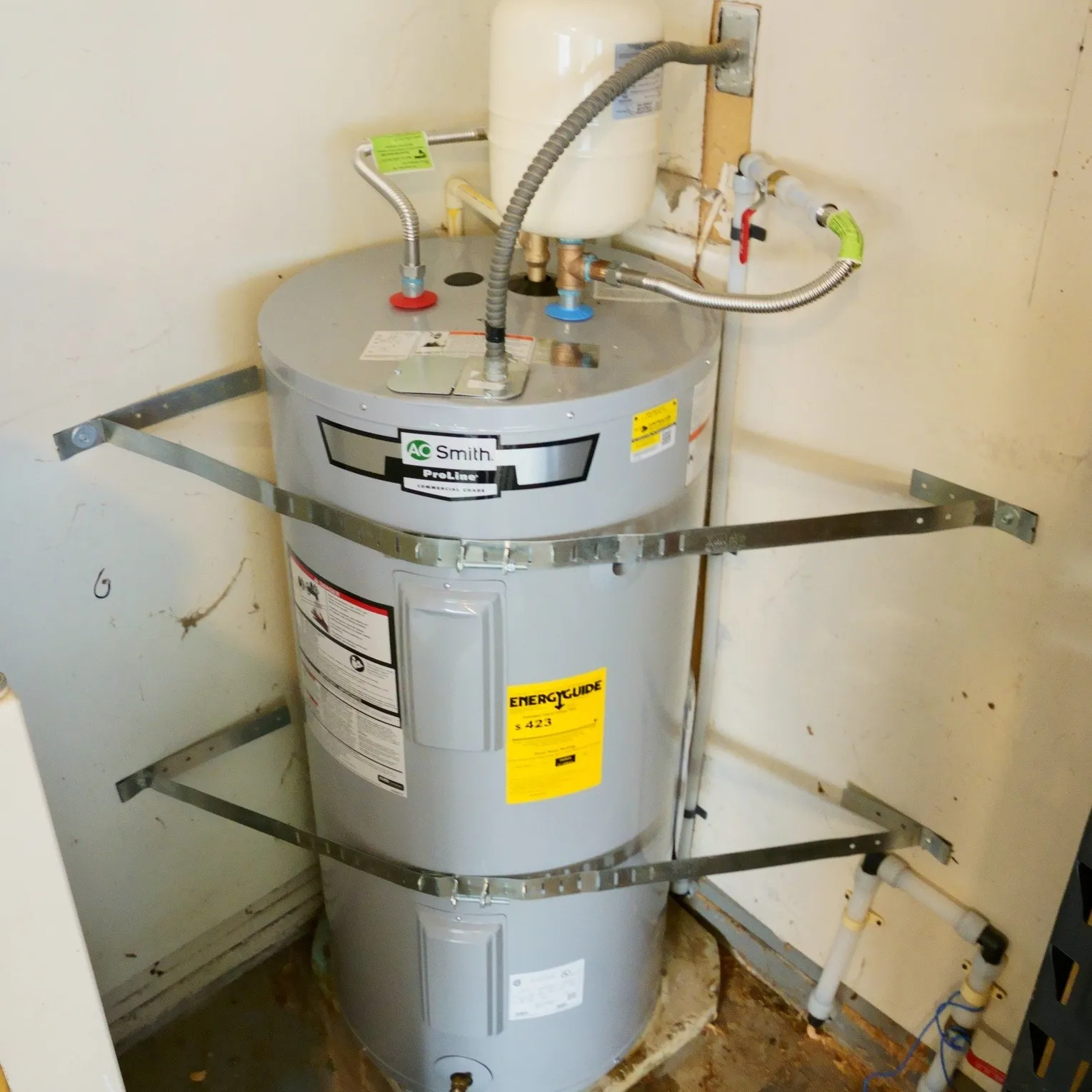
Washington State has strict plumbing codes regarding water heater installation & repairs. Specifically, all water heaters must be seismically strapped to the wall to prevent falling during an earthquake. This is a non-negotiable safety requirement. Additionally, an expansion tank is often required to accommodate the thermal expansion of water as it heats up, preventing excess pressure on your pipes.
Fuel Source and Efficiency
Homeowners should evaluate if they want to stick with their current fuel source or switch. Heat pump water heaters (hybrids) are gaining popularity in the Pacific Northwest for their high efficiency, though they require more space for air circulation. Standard electric and gas models remain reliable options but may have higher monthly operating costs.
Bonus Tips for Salmon Creek Residents
Pressure Reducing Valve (PRV): Many homes in our area have high municipal water pressure. Ask a plumbing expert in Salmon Creek, WA to test your pressure; if it exceeds 80 PSI, you need a PRV to protect your appliances.
Vacation Mode: If you plan to be away for more than a few days, set your water heater to “Vacation” or “Pilot” mode. This saves energy and reduces thermal stress on the tank while you are away.
Conclusion
Avoiding water damage starts with respecting your equipment’s lifespan and responding to early warning signs. Regular flushing, anode rod inspections, and moisture monitoring are the most effective ways to secure your home. Do not ignore rust or strange noises; these are clear signals that your water heater requires attention. By staying proactive, you protect your property and ensure a reliable supply of hot water for your daily needs.
Prevent Future Headaches Today
Water heater failures can be messy and expensive, but they are often preventable. If you are unsure of your unit’s age or have noticed strange noises, it is time for a professional assessment. Simpson Plumbing assists homeowners throughout Salmon Creek and Clark County with comprehensive inspections, maintenance, and installations. Reach out to us at [email protected] or call (360) 325-4646 to schedule a service visit. We help you make informed decisions that keep your home dry and your water hot.
Frequently Asked Questions
How long does a standard water heater last?
A traditional tank-style water heater typically lasts between 8 and 12 years. Tankless models can last up to 20 years with proper maintenance. If your unit is approaching the 10-year mark, you should start budgeting for a replacement.
Can I install a water heater myself?
While possible, it is not recommended. Improper installation can lead to gas leaks, carbon monoxide poisoning, or water damage. Furthermore, local codes in Clark County require specific seismic strapping and expansion tank configurations that an unlicensed installer might miss.
What is the purpose of the T&P valve?
The Temperature and Pressure (T&P) relief valve is a safety mechanism that opens if the tank gets too hot or the pressure gets too high. Without this valve, a malfunctioning water heater could explode. You should test this valve annually by lifting the lever to ensure it snaps back and seals correctly.
Why does my hot water run out so fast?
This often indicates a broken dip tube or a burned-out heating element. The dip tube directs cold water to the bottom of the tank for heating. If it breaks, cold water mixes with the hot water at the top, delivering tepid water to your shower.
Membership benefits significantly reduce water filtration costs in Vancouver, WA, by providing discounted equipment pricing, waived service fees, priority scheduling,…
Simpson Plumbing was created and founded by Dale Simpson’s passion and commitment to providing quality plumbing work in Camas, Vancouver, WA, and surrounding areas.