Why Your Home Smells Like Sewage and How to Fix It
Your home likely smells like sewage due to dry drain traps, sewer line blockages, or venting issues. The most common…


You likely don’t think about your water heater until you step into the shower and get hit with a blast of ice-cold water. That shock to your system is usually the moment you realize just how dependent your daily routine is on this single appliance. Whether you are washing dishes, running a load of laundry, or trying to relax after a long day, reliable hot water is not just a luxury. It is a necessity.
Understanding how to maintain, repair, or replace this system can feel overwhelming. The terminology alone, from “first hour ratings” to “thermal expansion,” is enough to confuse even the handiest homeowner. But ignoring these details can lead to inefficient energy usage, higher utility bills, and potentially catastrophic leaks that cause thousands of dollars in water damage.
This guide serves as your central resource for everything related to water heating. We move past the surface-level advice and get into the mechanics of how your system works, how to choose the correct replacement, and precisely what happens during an installation. We have distilled years of field experience into a practical, step-by-step manual. You will learn to spot the early warning signs of failure, understand the fundamental differences between tank and tankless models, and gain the confidence to make informed decisions about your home’s plumbing infrastructure.
Before you can troubleshoot a problem or buy a new unit, you need to understand what is happening inside that metal cylinder in your garage or basement. While technology has advanced, the core principle remains consistent: energy is transferred to water to raise its temperature.
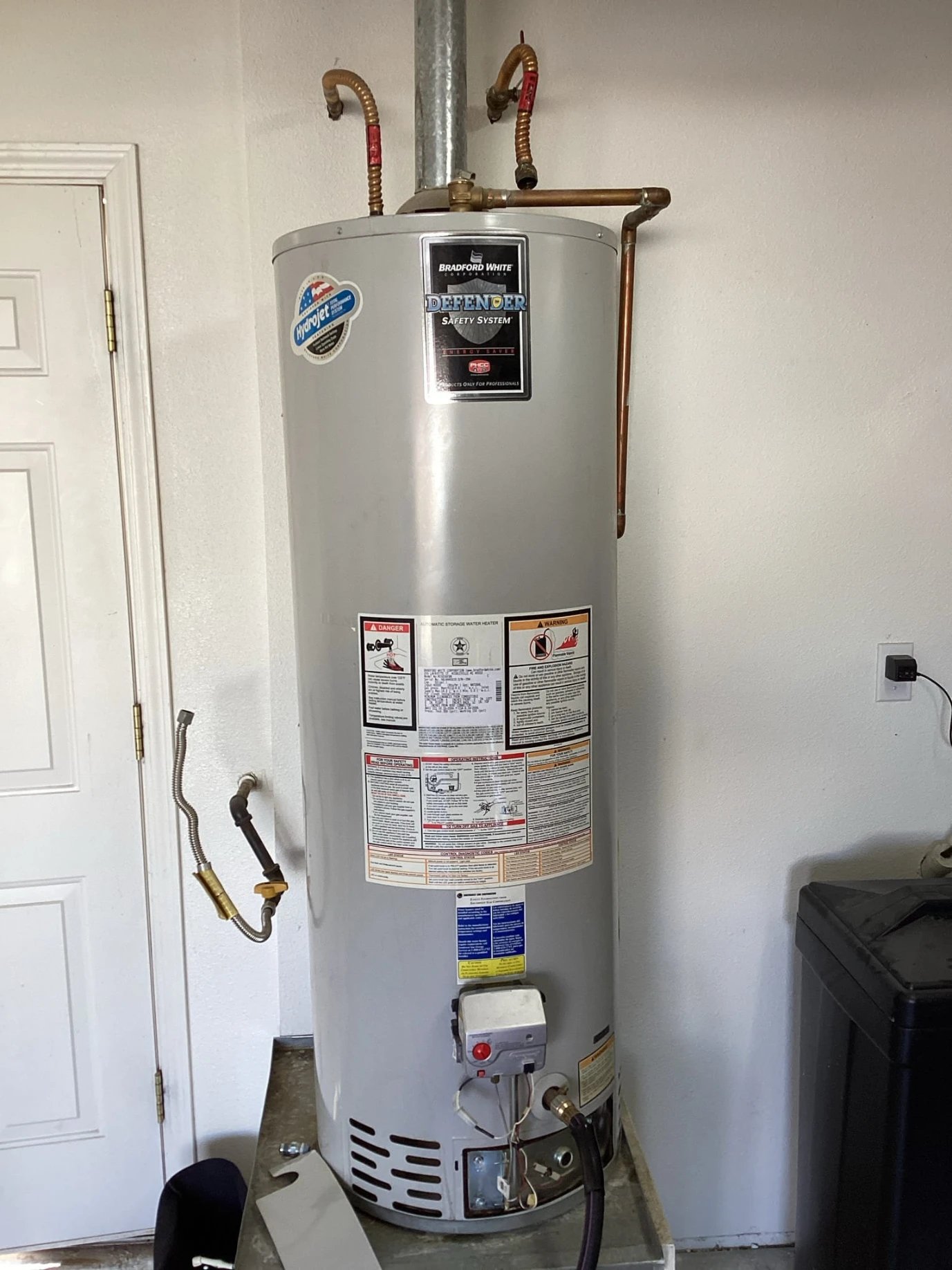
Most homes in the United States rely on a storage-tank water heaters repair & installation services. Cold water enters the bottom of the tank through a dip tube. Inside the tank, either a gas burner (at the bottom) or electric heating elements (submerged in the water) heat the water to a set temperature, usually between 120°F and 140°F. As heat rises, the hot water sits at the top of the tank, ready to be drawn out through the hot water discharge pipe when you turn on a tap.
Your existing infrastructure often dictates your options, but switching fuel sources is possible if the benefits outweigh the conversion costs.
The market has shifted significantly in the last decade. You are no longer limited to a standard 50-gallon drum. Choosing the right type depends on your household size, budget, and hot water habits.
This is what most people picture when they think of a water heater. They hold 30 to 80 gallons of water, keeping it hot 24/7 so it is ready when you need it.
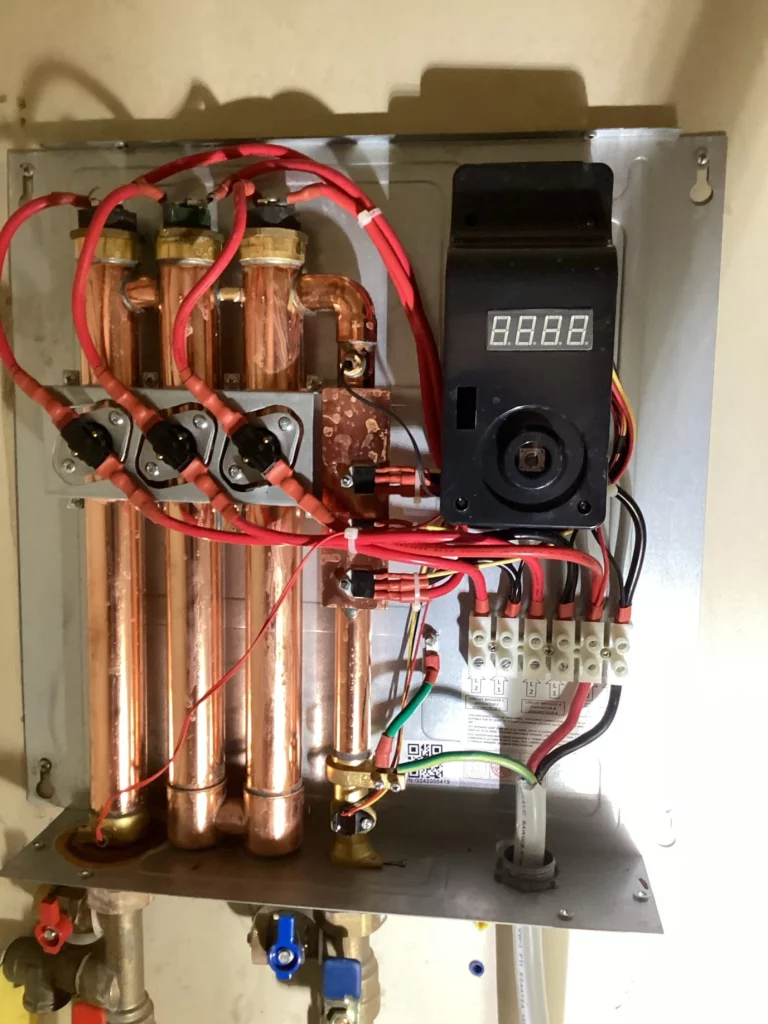
Tankless units heat water directly without a storage tank. When a hot water tap is turned on, cold water travels through a pipe into the unit, and a gas burner or electric element heats the water.
Expert Tip: Many homeowners assume going tankless is always the right move, but if you have a large family that showers simultaneously while running the dishwasher, a single tankless unit might struggle to keep up with the flow demand. Two units or a high-recovery tank might be better.
These are the most energy-efficient options available. They work like a refrigerator in reverse, pulling heat from the surrounding air and dumping it into the tank.
| Feature | Storage Tank | Tankless | Heat Pump (Hybrid) |
|---|---|---|---|
| Lifespan | 10–15 Years | 20+ Years | 13–15 Years |
| Upfront Cost | Low | High | Medium/High |
| Operating Cost | High | Low | Lowest |
| Space Required | Large (Floor) | Small (Wall) | Large (Floor + Airflow) |
| Hot Water Supply | Limited by Tank Size | Unlimited (Continuous) | Limited by Tank Size |
Deciding whether to patch up an old unit or invest in a new one is a common dilemma. Generally, we follow the “50% Rule.” If the repair costs 50% of a new unit’s cost and the unit is out of warranty or past its half-life, replacement is the more brilliant financial move.
According to a report by InterNACHI, the estimated life expectancy of a conventional water heater is about 10 years, while tankless systems can last nearly two decades with proper maintenance.
Key Takeaway: Never ignore moisture around the base of your water heater. A slow drip is often the precursor to a catastrophic tank failure. If you see water pooling, shut off the water supply to the unit immediately.
Buying the wrong size water heater leads to cold showers or wasted energy. Sizing is not just about gallons; it is about the “First Hour Rating” (FHR) for tanks and the “Gallons Per Minute” (GPM) for tankless systems.
The FHR is the number of gallons of hot water the heater can supply per hour (starting with a full tank). On the Energy Guide label, look for the FHR capacity.
To calculate what you need, estimate your peak hour demand.
If you shower while the dishwasher runs, your peak demand is roughly 18 gallons. However, if a family of four showers back-to-back in the morning, your peak demand might be 50+ gallons. You need a tank with an FHR that matches your peak usage.
You must calculate the temperature rise, the difference between the groundwater temperature and your desired output temperature (usually 120°F).
Installing a water heater is not a DIY project for most homeowners. It involves dangerous elements—gas, 240-volt electricity, carbon monoxide venting, and pressurized water. Here is what a professional installation entails.
Professional plumbers will assess the space, check the gas line size (tankless units often require larger gas lines), and verify venting requirements. A permit is almost always required by local municipalities to ensure safety standards are met.
The old unit must be drained safely. This can be time-consuming if sediment has clogged the drain valve. Once drained, the gas or electric lines are disconnected, and the unit is hauled away.
The new heater is positioned. If it is in a garage, local codes may require it to be elevated 18 inches off the floor to prevent ignition of gasoline fumes. A drain pan is placed underneath to catch future leaks.
This is a critical component often missed in older homes. Water expands when heated. In a “closed loop” system (where you have a pressure-reducing valve or backflow preventer), that expanded water has nowhere to go. This builds dangerous pressure. An expansion tank provides a bladder for that extra water volume, protecting your heater and pipes.
The tank is filled with water before power or gas is turned on to prevent the heating elements from burning out. The installer then checks for leaks, tests the T&P (Temperature and Pressure) relief valve, and verifies the burner operation.
You can significantly extend your water heater’s lifespan with simple annual maintenance. Neglecting this leads to efficiency loss and premature failure.
Sediment (minerals like calcium and magnesium) settles at the bottom of the tank. This layer acts as an insulator, making the burner work harder to heat the water.
This is the most critical component you have never heard of. The anode rod is a core of magnesium or aluminum wrapped around a steel wire. It is designed to corrode instead of your tank lining. It is literally called a “sacrificial rod.”
The Temperature and Pressure relief valve is a safety device that opens if pressure gets too high. If this valve is seized, your tank could explode under pressure.
Water heating is typically the second largest energy expense in your home, accounting for about 18% of your utility bill, according to the Department of Energy.
When shopping, look for the Uniform Energy Factor (UEF). The higher the number, the more efficient the unit.
While a high-efficiency tankless or heat pump unit costs more upfront, the math often works out in your favor over time.
Expert Tip: Check for rebates. Local utility companies and federal tax credits often offer substantial rebates for installing Energy Star-rated heat pumps or tankless water heaters, effectively lowering the upfront cost.
Before you call a professional, there are a few diagnostic steps you can take.
Your water heater is the silent workhorse of your home. By understanding the type of system you have, maintaining it regularly, and knowing the signs of failure, you protect your home from damage and your wallet from unexpected energy spikes.
Whether you decide to stick with a reliable storage tank or upgrade to a high-efficiency tankless model, the key is proactive management. Do not wait for the tank to burst. If your unit is nearing the end of its lifespan, start planning your replacement strategy now. Review your fuel options, calculate your peak demand, and ensure your home’s infrastructure is ready for the installation.
Reliable hot water is about comfort, safety, and efficiency. With the knowledge in this guide, you are now equipped to manage your home’s hot water needs with confidence.
If you are unsure about the condition of your current unit or are ready to explore options for a new installation, Simpson Plumbing is here to help. We can assess your usage needs and guide you toward the most efficient solution for your home.
You can reach us directly at (360) 325-4646 or email [email protected] to schedule a consultation.
A standard swap of a like-for-like tank usually takes 3 to 5 hours. Converting from a tank to a tankless system is more complex, often taking a full day (8–10 hours) due to the necessary gas line upgrades and new venting requirements.
The Consumer Product Safety Commission recommends 120°F (49°C). This temperature is sufficient for household needs and reduces the risk of scalding. Setting it higher increases energy bills and accelerates the buildup of minerals inside the tank.
While it is legally possible in some areas for a homeowner to pull a permit, it is generally discouraged. The risks involving gas leaks, carbon monoxide poisoning, and high-voltage electricity are significant. Improper installation can also void the manufacturer’s warranty.
A dripping T&P valve usually means it is doing its job—releasing excess pressure. This often indicates that you need an expansion tank or that your existing one has failed. It could also mean the valve itself is worn out and needs replacement.
If you plan to stay in your home for more than 5 years, the energy savings and longevity make it worth the investment. However, if your household uses a low volume of hot water, the “payback period” might be too long to justify the high installation cost.