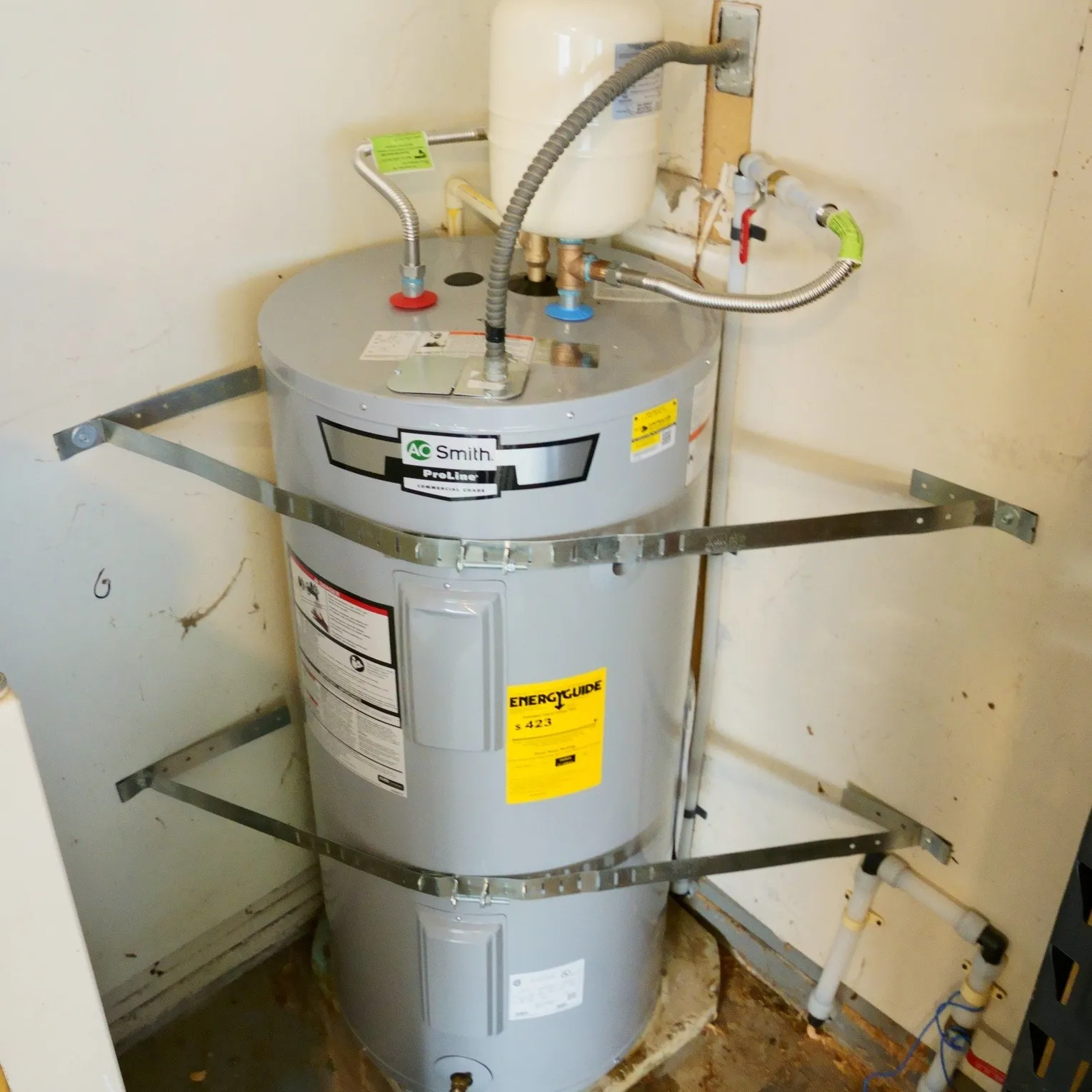
Energy-Efficient Water Heater Tips for Hazel Dell, WA Homeowners
admin-plumbernw
December 15th, 2025
Improving water heater efficiency in Hazel Dell starts with three immediate actions: setting your thermostat to 120°F, insulating the first six feet of hot water pipes, and flushing sediment from the tank annually. These simple steps can reduce energy consumption by up to 10% without costing a dime in new equipment. For homeowners looking to upgrade, switching to a heat pump water heater or a tankless unit offers the highest long-term savings, given the Pacific Northwest’s specific climate and energy rates.
Energy efficiency is not just about lower bills; it is about extending the life of your plumbing services in Hazel Dell. Simpson Plumbing has serviced, repaired, and installed thousands of water heating systems across Clark County. This experience reveals that local groundwater temperatures and specific regional usage patterns dictate which efficiency methods work best. The following guide provides actionable strategies tailored specifically for homes in the Hazel Dell area.
Understanding Hazel Dell Water and Energy Factors
Geography plays a significant role in how hard a water heater has to work. In Hazel Dell, the incoming groundwater temperature typically ranges from 50°F to 55°F. This is significantly colder than in southern states. Your water heater must bridge a nearly 70-degree gap to reach a comfortable showering temperature. This heavy lifting requires more energy, making efficiency upgrades more impactful here than in warmer climates.
Local energy sources also influence your strategy. Washington State benefits from some of the lowest electricity rates in the country due to hydroelectric power. Data published by the U.S. Energy Information Administration indicates that Washington residents pay significantly less per kilowatt-hour than the national average. Despite low rates, the sheer volume of hot water used in a typical household means efficiency losses still add up quickly on monthly statements.
Comparing Water Heater Technologies
When your current unit fails or becomes too costly to operate, selecting the right replacement technology is the single most significant factor in future efficiency. The market has shifted away from standard atmospheric venting tanks toward high-efficiency hybrid and tankless models.
The following table breaks down the performance metrics relevant to Clark County homeowners:
Feature
Standard Storage Tank
Heat Pump (Hybrid)
Tankless (On-Demand)
Primary Energy Source
Electric or Natural Gas
Electric (pulls heat from air)
Gas or Electric
Efficiency Rating (UEF)
0.60 – 0.70
3.00 – 4.00
0.81 – 0.97
Estimated Lifespan
8 – 12 Years
10 – 15 Years
20+ Years
Space Requirements
Large footprint
Large footprint + vertical clearance
Minimal wall space
Best Application
Low upfront budget
Garages/Basements (needs air flow)
High volume usage
The Heat Pump Advantage
For many Hazel Dell homes, specifically those with electric water heaters, a heat pump water heater is the most efficient upgrade. These units work like a refrigerator in reverse, pulling heat from the surrounding air to warm the water. According to the Department of Energy, these systems can be two to three times more energy-efficient than conventional electric resistance water heaters. Because our local climate is moderate, these units perform exceptionally well when installed in unconditioned spaces like garages.
Things to Consider Before Making a Decision
Before you invest in a new water heaters repair & installation system or purchase efficiency add-ons, evaluate your home’s specific constraints. Not every efficiency upgrade makes financial sense for every household.
Fuel Source Availability: If you currently have an electric tank, switching to gas usually requires installing gas lines and venting, which increases installation costs. Sticking with your current fuel source while upgrading the technology (e.g., an electric tank to an electric heat pump) often yields a better return on investment.
Space and Airflow Heat pump water heaters require roughly 1,000 cubic feet of surrounding air to operate efficiently because they exhaust cool air. If your water heater is in a small closet inside the house, a heat pump unit might cool that room down too much or struggle to find enough ambient heat. In contrast, tankless units require specific venting that must terminate outside, which limits where they can be mounted.
Upfront Cost vs. Monthly Savings: High-efficiency units cost more to purchase. You need to calculate the payback period. Since Washington has lower electricity rates, the time it takes to recoup the extra cost of a hybrid heater might be longer than in states with higher electricity rates. However, local utility rebates often offset this initial price difference.
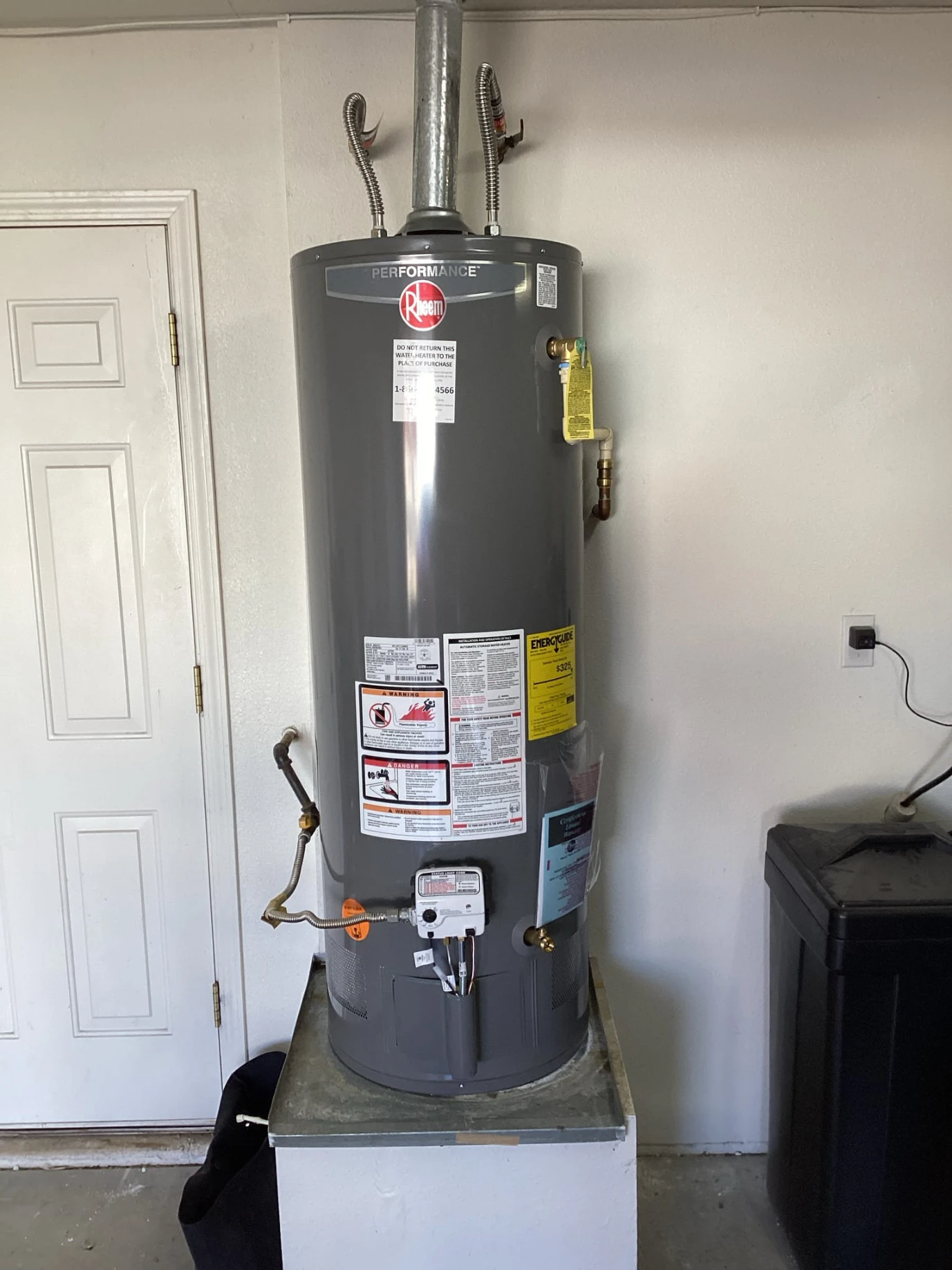
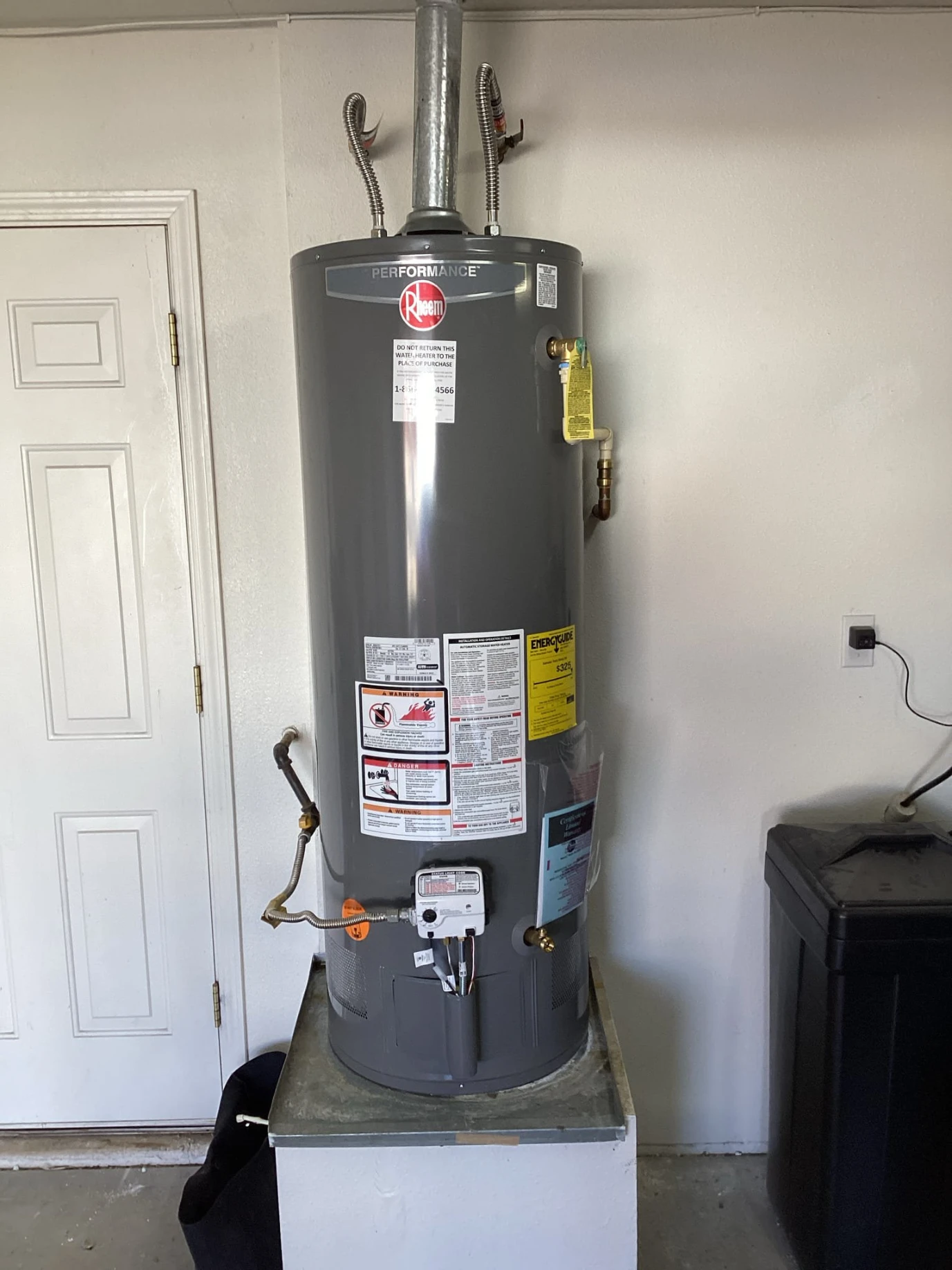
Bonus Tip: If you stick with a standard tank, check the “Energy Factor” (EF) rating on the yellow EnergyGuide label. A higher number always indicates better efficiency. Even a difference of .05 can represent significant savings over the unit’s decade-long life.
Operational Tips for Maximum Efficiency
You do not always need a new unit to save energy. Adjusting how you use and maintain your current system creates immediate results.
Dial Down the Thermostat: Many manufacturers ship water heaters set to 140°F. This is often unnecessary for residential use and increases the risk of scalding. Lowering the temperature to 120°F reduces standby heat loss. For every 10ºF reduction in temperature, you can save between 3% and 5% on water heating costs, based on findings from the Department of Energy.
Manage Sediment Buildup: Hazel Dell water contains minerals that settle at the bottom of your tank over time. This sediment creates a layer of insulation between the heating element (or burner) and the water. The heater then has to run longer to heat the water through that layer of “gunk.” Flushing one gallon of water from the drain valve at the bottom of the tank every six months clears this sediment.
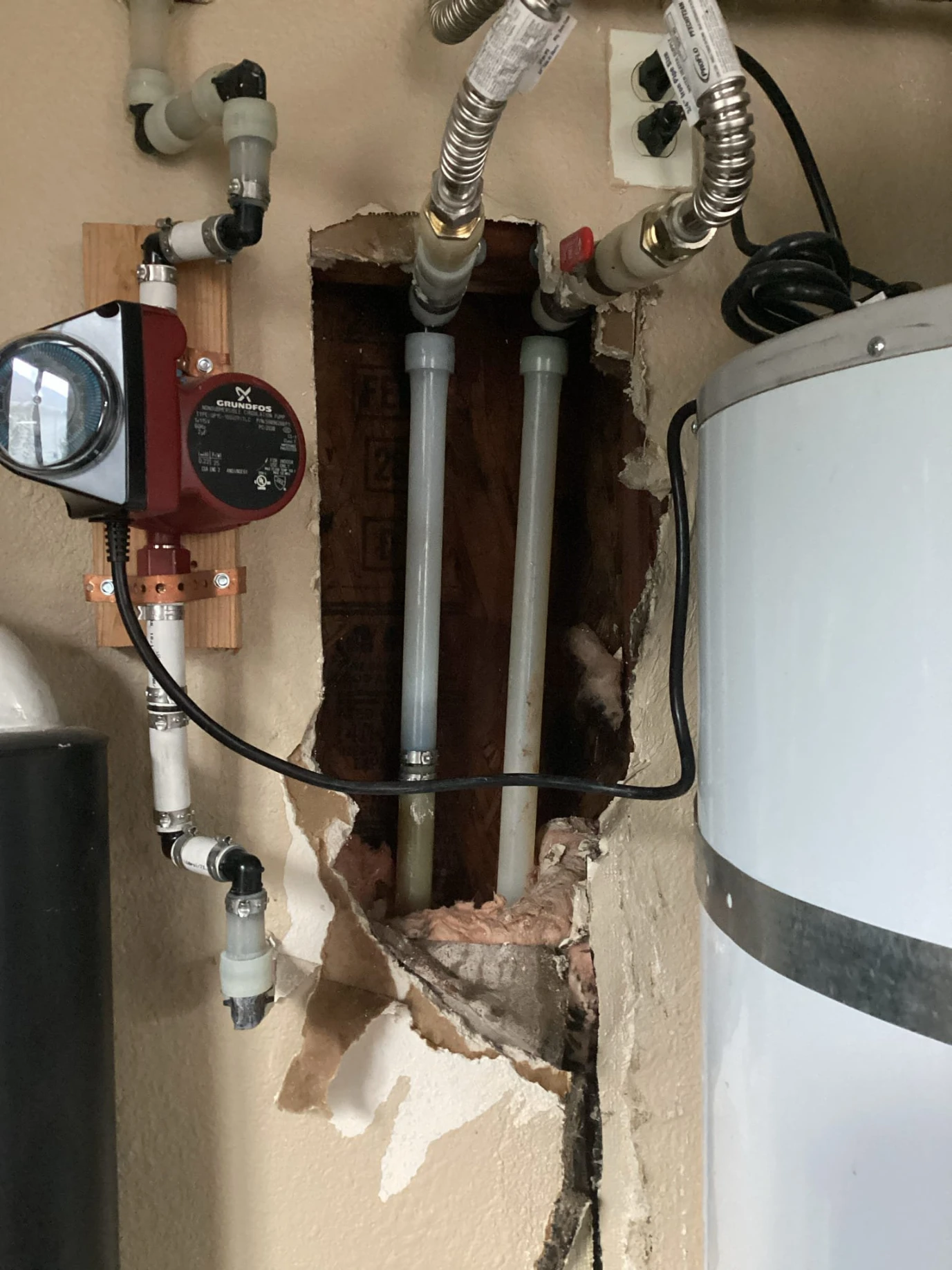
Insulate Hot Water Pipes: Standby heat loss occurs as hot water travels from the tank to your faucet. Insulating the first 6 feet of hot water piping coming off the water heater keeps heat in the lines. This means hot water reaches your tap faster, so you run the faucet for less time.
Bonus Tip: If you leave your home for more than three days, set your water heater to “Vacation Mode” or the “Pilot” setting. This keeps the water from freezing but stops the unit from cycling unnecessarily to maintain high temperatures while no one is home.
Conclusion
Maximizing water heater efficiency in Hazel Dell requires a mix of smart daily habits and choosing the right equipment for the Pacific Northwest environment. Simple changes like lowering the thermostat to 120°F and flushing sediment provide immediate benefits. When the time comes for replacement, considering the long-term energy savings of heat pump or tankless technology is a financial move that pays dividends for years. Assess your household usage, check the available space, and make the choice that balances upfront costs with monthly performance.
Need Help with Your Water Heater?
If you are unsure about the condition of your current water heater or want to explore energy-efficient upgrades, Simpson Plumbing is here to assist. We help homeowners make informed decisions about their plumbing systems in Hazel Dell and the surrounding areas.
What is the ideal temperature setting for a water heater?
The safest and most efficient setting for most households is 120°F. This temperature is hot enough for showers and dishwashing but low enough to prevent scalding and minimize standby heat loss.
How often should I replace my water heater?
Standard tank water heaters typically last 8 to 12 years. Tankless units can last 20 years or more with proper maintenance. If your tank is over 10 years old, it has likely lost significant efficiency due to insulation breakdown and sediment accumulation.
Will a tankless water heater work in Hazel Dell’s climate?
Yes, tankless heaters work well here, but they must be sized correctly. Because the incoming groundwater is cold (around 50°F), the unit needs a high BTU rating to raise the water temperature to 120°F while maintaining good water pressure.
Does adding a blanket to my water heater help?
It depends on the unit’s age. Newer models come with high R-value insulation already built into the tank walls. Adding a blanket to these newer units offers minimal gain and can sometimes void warranties or cover safety labels. It is most effective on tanks older than 10 years.
Sources
U.S. Energy Information Administration – Provides state-specific data on electricity prices, generation sources, and energy consumption averages for Washington.
Department of Energy – Explains the mechanics, efficiency ratings, and installation requirements for heat pump water heater technology.
Membership benefits significantly reduce water filtration costs in Vancouver, WA, by providing discounted equipment pricing, waived service fees, priority scheduling,…
Simpson Plumbing was created and founded by Dale Simpson’s passion and commitment to providing quality plumbing work in Camas, Vancouver, WA, and surrounding areas.