Why Your Water Heater Is Making Noise and How Stevenson, WA Experts Fix It
admin-plumbernw
March 30th, 2026
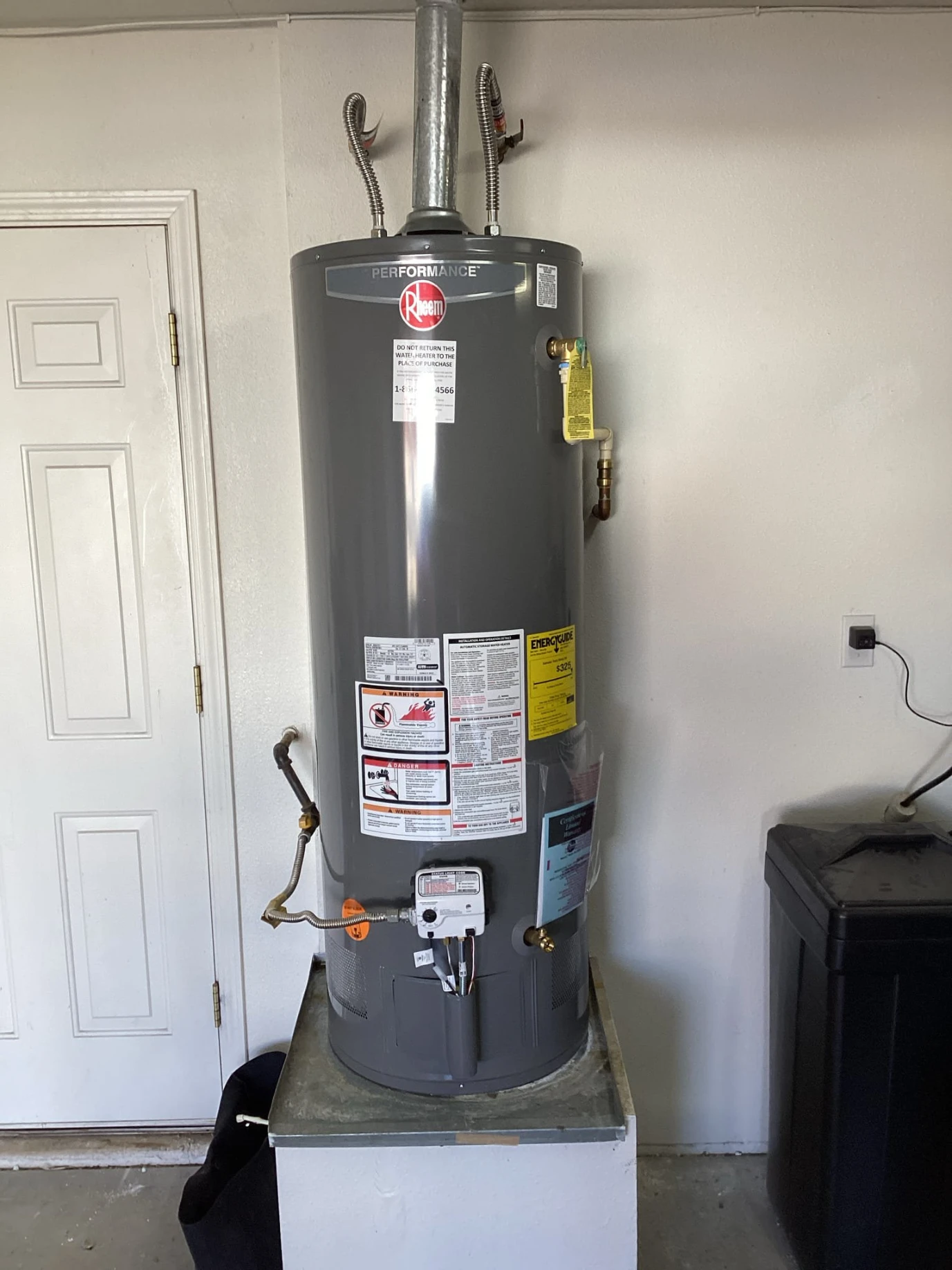
Your water heater is making noise due to sediment buildup, metal components expanding and contracting, failing heating elements, or loose parts that create vibrations as water flows through the system. Plumbing experts in Stevenson, WA, fix these issues through professional flushing to remove sediment, replacing worn components, adjusting temperature settings, and, in some cases, recommending complete water heater replacement when repairs no longer make economic sense. Ignoring these sounds typically leads to reduced efficiency, higher utility bills, and ultimately complete water heater failure.
TLDR / Key Takeaways
According to the U.S. Department of Energy, water heating accounts for 17% of home energy use, making efficiency maintenance critical for reducing utility costs in Stevenson, WA homes
Sediment buildup in water heaters reduces heating efficiency by up to 25% and creates the rumbling and popping sounds that indicate urgent maintenance is needed
The Environmental Protection Agency recommends annual maintenance to extend the water heater’s lifespan and maintain water quality
Knocking and banging sounds usually indicate loose or worn parts, while hissing sounds often point to leaking valves or pressure issues
Professional water heater flushing removes sediment that DIY draining often leaves behind, providing longer-lasting results
Water heaters over 10-15 years old may need replacement rather than repair, especially if noise problems recur frequently
Regular maintenance extends the water heater’s lifespan by 5-10 years and maintains energy efficiency
Understanding Water Heater Noises in Stevenson, WA
Water heaters produce various sounds as they operate, and understanding what these sounds mean helps homeowners in Stevenson, WA, determine whether they need immediate attention or can wait for scheduled maintenance. The heating process naturally creates some sound, but unusual noises typically signal problems that worsen over time if left unaddressed.
Our team at Simpson Plumbing has responded to countless water heater noise complaints throughout the Pacific Northwest, including Stevenson, WA, and we consistently find that early intervention prevents more serious problems. Most water heater noises originate from four primary sources: sediment accumulation, thermal expansion, component wear, and plumbing system interactions. Each produces distinct sounds that experienced technicians recognize immediately.
The National Renewable Energy Laboratory reports that sediment accumulation is the leading cause of reduced water heater efficiency, with deposits acting as insulation that forces the heating element to work harder and longer to achieve the same water temperature. This extra work creates the rumbling sounds that many homeowners dismiss as normal aging when they actually indicate declining performance.
Common Causes of Water Heater Noise
Sediment Buildup
Sediment accumulates when minerals from hard water settle at the bottom of the tank over time. As the heating element warms the water, the minerals solidify into a thick layer that interferes with proper heat transfer. The U.S. Department of Energy estimates that sediment can reduce a water heater’s efficiency by 25% or more, directly impacting utility costs.
When water heats through the sediment layer, it creates popping and rumbling sounds as bubbles form and collapse through the mineral deposits. These sounds typically occur during the heating cycle and may become louder as more sediment accumulates. Homeowners in areas with hard water, like many parts of the Pacific Northwest, experience faster sediment buildup and more frequent noise problems.
Thermal Expansion
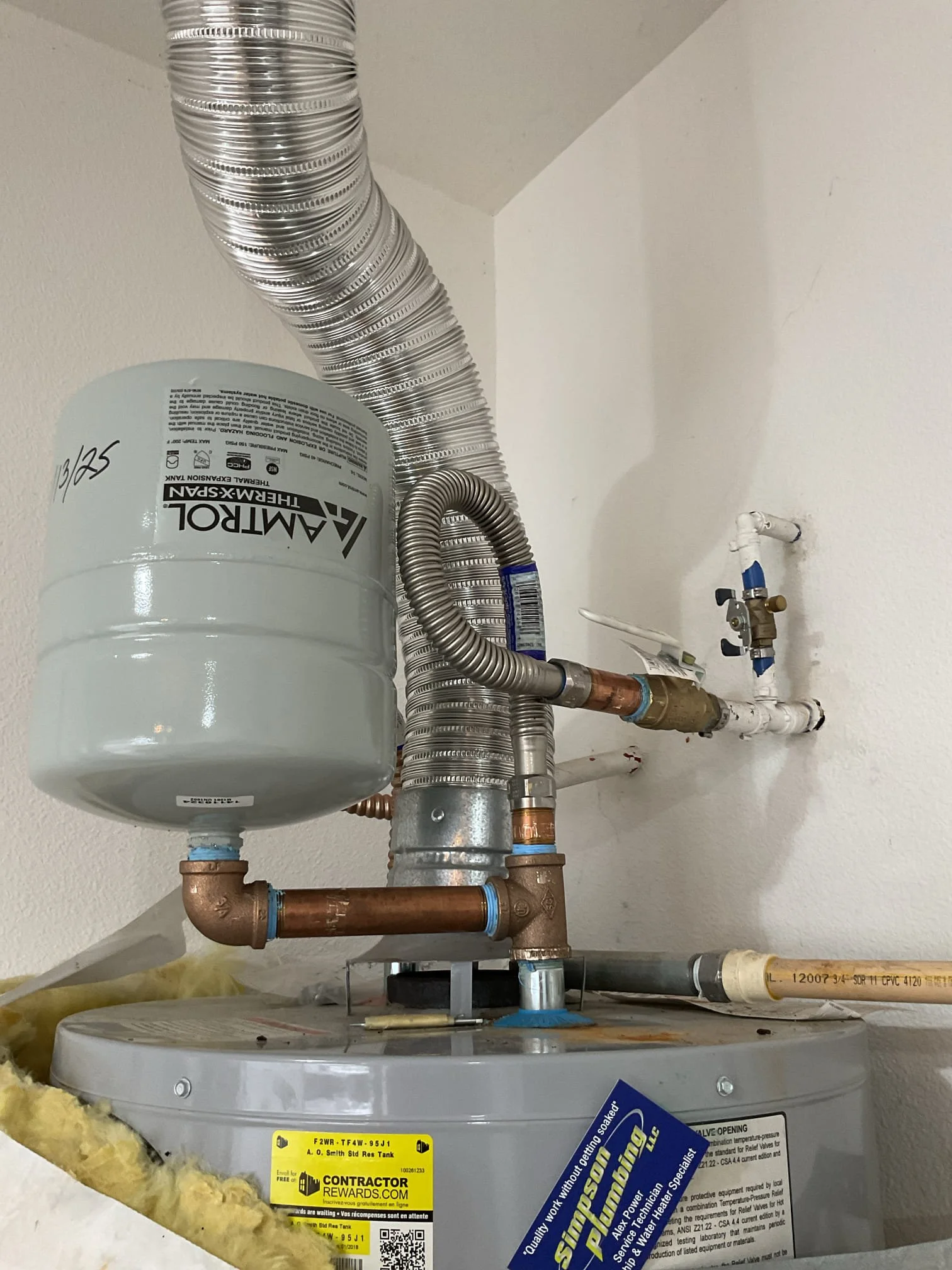
Water expands as it heats, and this natural physical process puts pressure on water heater components. Thermal expansion can create stress on tank walls, fittings, and pipes, resulting in knocking or ticking sounds as materials expand and contract. While some expansion sound is normal, loud or persistent knocking may indicate excessive pressure that requires attention.
The pressure relief valve typically releases some expanded water to prevent dangerous pressure buildup, but this release should be minimal and periodic. If the valve frequently releases water or makes spraying sounds, the system pressure may be too high, requiring professional adjustment.
Failing Heating Elements
Electric water heaters have one or two heating elements that warm the water inside the tank. When these elements develop mineral deposits or begin to fail, they can create screeching, humming, or buzzing sounds. Hard water minerals readily coat heating elements, reducing their efficiency and lifespan.
A failing heating element may take longer to heat water, produce inconsistent temperatures, or cause the breaker to trip repeatedly. These symptoms, combined with unusual sounds, typically indicate that element replacement is needed before complete failure occurs.
Loose or Worn Components
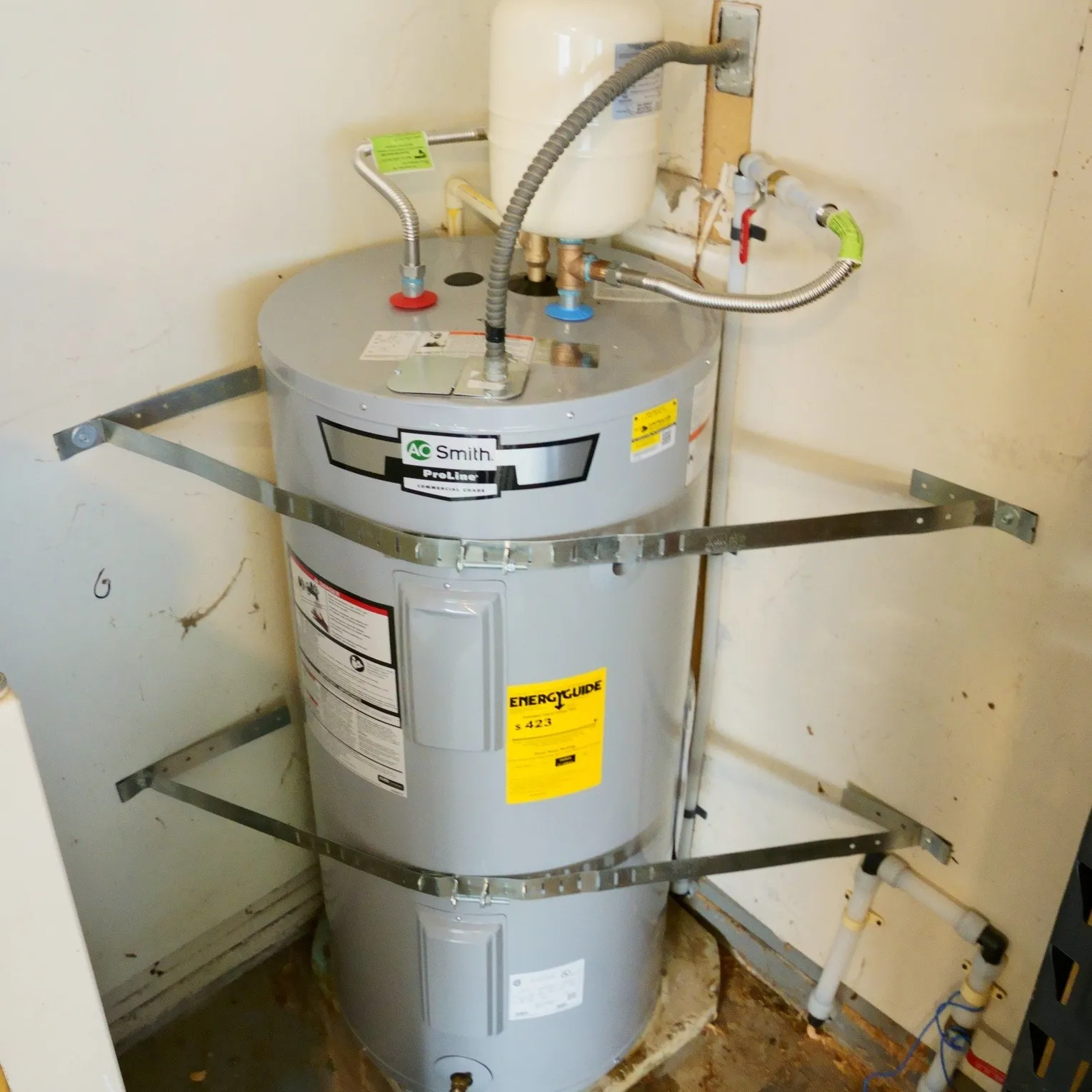
Vibration from water flow and heating cycles can loosen screws, brackets, and fittings over time. Loose components create rattling, banging, or clicking sounds that often become louder when water is running. The Occupational Safety and Health Administration notes that vibrations from mechanical systems can accelerate wear on surrounding components, creating a cycle of increasing noise and mechanical stress.
Noise Types and What They Indicate
Noise Type
Likely Cause
Urgency Level
Typical Solution
Rumbling/Low Rolling
Heavy sediment buildup
High
Professional tank flushing
Popping/Knocking
Sediment with trapped water
High
Flushing or replacement
Hissing
Leaking valve or pressure issue
Moderate-High
Valve replacement or pressure adjustment
Screeching/Screaming
Failing heating element
High
Element replacement
Humming/Buzzing
Electrical component issue
Moderate
Electrical inspection and repair
Clicking/Ticking
Thermal expansion or loose parts
Low-Moderate
Adjustment or tightening
Rattling
Loose components
Moderate
Secure loose fittings
How Experts Diagnose and Repair Water Heater Noises
Professional water heater technicians in Stevenson, WA, use a systematic approach to diagnose noise problems, starting with visual inspection and moving through diagnostic steps to identify the exact cause.
Initial Assessment
Our technicians begin by listening to the water heater while operating, noting when sounds occur during the heating cycle versus during water draw-off. We inspect the tank exterior for signs of corrosion, leaks, or damage, and check the pressure relief valve operation. This initial assessment often identifies the problem area before detailed inspection begins.
The American Water Works Association recommends annual professional inspections to catch developing problems before they cause failures or significant efficiency losses. Our assessments include checking the anode rod, which corrodes to protect the tank lining, and evaluating overall tank condition to predict remaining lifespan.
Professional Flushing
While homeowners can drain some water from their water heaters, professional flushing uses specialized equipment to remove substantially more sediment. Our team uses high-volume pump systems that stir up and remove compacted sediment that simple draining leaves behind. This thorough cleaning often eliminates rumbling sounds immediately and restores significant heating efficiency for homes in Stevenson, WA.
The Environmental Protection Agency notes that professional maintenance extends water heater lifespan while maintaining water quality, making the investment in professional service economically sensible for most homeowners. We recommend flushing tank water heaters annually in areas with hard water, or every two years in areas with softer water.
Component Replacement
When noises originate from failing components, our technicians have the expertise to replace heating elements, temperature controls, pressure relief valves, and other parts without replacing the entire water heater. We use manufacturer-approved replacement parts that maintain warranty coverage and ensure proper operation.
For older water heaters with multiple failing components, we provide an honest assessment of whether repair costs justify continued investment versus water heater replacement. Sometimes the most cost-effective solution involves installing a new, more efficient unit that pays for itself through reduced utility costs over the coming years. Learn more about water heater repair and installation options to make the best decision for your home.
When to Repair vs. Replace
Making the decision between repair and replacement depends on several factors that our technicians evaluate for each unique situation.
Consider Repair When
The water heater is fewer than 10 years old
The specific problem is clearly identified and repairable
Repair costs are less than half the cost of replacement
The water heater has been regularly maintained
No significant corrosion or tank damage exists
Consider Replacement When
The water heater is over 15 years old
Multiple components are failing simultaneously
Repair costs approach or exceed replacement cost
The tank shows signs of corrosion or leakage
Efficiency is severely compromised despite repairs
The unit requires frequent repairs
The U.S. Department of Energy notes that modern water heaters offer significant efficiency improvements over units manufactured 15+ years ago, with heat pump water heaters using up to 60% less energy than traditional electric models. These efficiency gains often justify replacement costs through ongoing utility savings.
Maintaining Your Water Heater
Preventive maintenance significantly reduces noise problems and extends the water heater’s lifespan. Homeowners can perform several simple tasks between professional service calls.
Test the pressure relief valve annually by lifting the lever to confirm water flows freely and stops when released. Check around the base of the unit for signs of leakage that may indicate tank corrosion beginning. The Harvard School of Public Health provides research on water safety and temperature management that supports setting water heater temperature to 120°F to prevent scalding while reducing energy costs and mineral accumulation.
Schedule professional flushing annually, particularly if you notice any changes in water heater sounds, water quality, or heating performance. Early intervention prevents minor issues from developing into major problems that require expensive repairs or premature replacement.
Get Professional Help Today
Strange sounds from your water heater often indicate problems that worsen over time if ignored. What starts as a minor rumbling can progress to complete water heater failure, leaving you without hot water and facing emergency replacement costs. Professional diagnosis and repair protect your investment while maintaining the comfort and convenience your household needs.
Our team at Simpson Plumbing provides comprehensive water heater service throughout the Pacific Northwest, from noise diagnosis and repair to complete replacement with modern, efficient units. We bring years of experience, honest assessments, and quality artistry to every service call. Our technicians explain the problem, present all available options, and recommend solutions that make sense for your situation and budget.
Ready to silence that noisy water heater?
Let our experts diagnose the problem and provide the right solution for your home.
Prefer to discuss your situation first? Schedule a consultation with our team to ask questions about water heater maintenance, repair options, and replacement considerations. We’re here to help Pacific Northwest homeowners make informed decisions about their water heating needs.
Frequently Asked Questions
Is a noisy water heater dangerous?
Some noises indicate serious problems like excessive pressure or tank corrosion that could lead to flooding or system failure. Professional inspection identifies whether the noise signals immediate danger or maintenance needs.
Can I fix the water heater noise myself?
Basic tasks like adjusting temperature or testing the pressure relief valve are DIY-friendly, but diagnosing internal problems and making repairs requires professional expertise. Attempting major repairs without proper knowledge can cause damage or void warranties.
How often should I flush my water heater?
Annual flushing is recommended for homes with hard water. Softer water areas may allow flushing every two years. Professional flushing removes more sediment than DIY draining and provides better long-term results.
Why does my water heater make noise only at night?
Nighttime noise often relates to water pressure changes when municipal systems experience higher demand, or thermal expansion as the water heater works to maintain temperature during cooler nighttime hours.
Will a new water heater be quieter?
New water heaters typically operate more quietly than aging units, particularly if your current water heater has significant sediment buildup or worn components. Modern units also incorporate improved insulation that reduces thermal expansion sounds.
Membership benefits significantly reduce water filtration costs in Vancouver, WA, by providing discounted equipment pricing, waived service fees, priority scheduling,…
Simpson Plumbing was created and founded by Dale Simpson’s passion and commitment to providing quality plumbing work in Camas, Vancouver, WA, and surrounding areas.