Why Your Home Smells Like Sewage and How to Fix It
Your home likely smells like sewage due to dry drain traps, sewer line blockages, or venting issues. The most common…


Your home likely smells like sewage due to dry drain traps, sewer line blockages, or venting issues. The most common cause is a dry P-trap in floor drains or unused sinks, which allows sewer gases to enter your living space. Fixing this often involves running water down drains, clearing blockages, or addressing ventilation problems in your plumbing system. This article will walk you through identifying the specific cause and implementing the right solution to eliminate that unpleasant odor for good.
With years of experience in residential plumbing solutions, Simpson Plumbing has seen every type of sewage smell problem imaginable. Understanding these common causes can help you pinpoint the issue quickly and determine whether it’s a simple DIY fix or requires professional intervention.
Dry P-traps top the list of culprits for sewage odors. Every drain has a U-shaped pipe that holds water, creating a barrier between your home and sewer gases. When sinks, showers, or floor drains go unused for extended periods, the water in these traps evaporates. This typically happens in basement floor drains, guest bathrooms, or unused utility sinks. The solution is simple: pour a gallon of water down the drain monthly to maintain the water barrier.
Sewer line blockages create backup situations that force gases back into your home. These blockages range from minor buildup of grease and debris to major obstructions like tree roots infiltrating pipes. According to the Environmental Protection Agency, tree roots are responsible for approximately 50% of all sewer blockages in urban areas. Signs include slow drains, gurgling sounds, and multiple fixtures backing up simultaneously. Left untreated, these blockages can lead to raw sewage backups in your home.
Every home has a vent system that equalizes pressure in your drain pipes and allows sewer gases to escape through your roof. When these vents become clogged with leaves, bird nests, or debris, the gases have nowhere to go but back into your home. You might notice strong odors when running water or flushing toilets, along with slow draining and gurgling sounds. Roof vents often become blocked during fall when leaves accumulate, or in spring when birds build nests in the openings.
Older homes with clay, cast iron, or Orangeburg pipes are at higher risk of sewer line deterioration. These materials degrade over 40-60 years, developing cracks, separations, or collapses that allow sewage to leak into the ground beneath your home. According to industry reports from HomeAdvisor, the investment required for a sewer line repair varies significantly based on the severity of the damage and the chosen repair method. Potential indicators of a leak or break include damp spots in your yard, unusually lush patches of grass above the sewer line, or rodent infestations as pests and roots exploit openings in the pipes.
Start by locating the strongest point of the smell. Different rooms point to different problems. A smell in the bathroom indicates issues with toilet seals, shower drains, or bathroom sink traps. Kitchen odors suggest problems with the garbage disposal or the kitchen drain. Basement odors often trace back to floor drains or washing machine standpipes.
Check each drain systematically. Run water in all sinks, showers, and tubs for several minutes. Listen for gurgling sounds and note how quickly water drains. Pour water down any floor drains that haven’t been used recently. If the smell disappears after running water, you’ve found your culprit – a dry trap. If the smell persists, move on to checking other potential sources.
For dry P-traps, the solution is straightforward: pour 1-2 gallons of water down the affected drain, then add a few tablespoons of cooking oil to slow evaporation. For garbage disposals, grind ice cubes and citrus peels to clean the blades and freshen the unit. Clean sink overflows by pouring a bleach solution (1:10 ratio with water) down the overflow opening found in most bathroom sinks.
| Problem | DIY Solution | When to Call Professional |
|---|---|---|
| Dry P-trap | Pour 1 gallon of water down the drain monthly | If the problem persists after multiple attempts |
| Minor drain clog | Use a plunger or an enzyme cleaner | If multiple drains are affected or odors continue |
| Garbage disposal odor | Clean with ice and citrus peels | If the unit makes unusual noises or won’t drain |
| Single slow drain | Use a drain snake or a chemical cleaner | If smell returns after clearing the drain |
| Multiple slow drains | Chemical drain cleaner | Always – indicates main line issue |
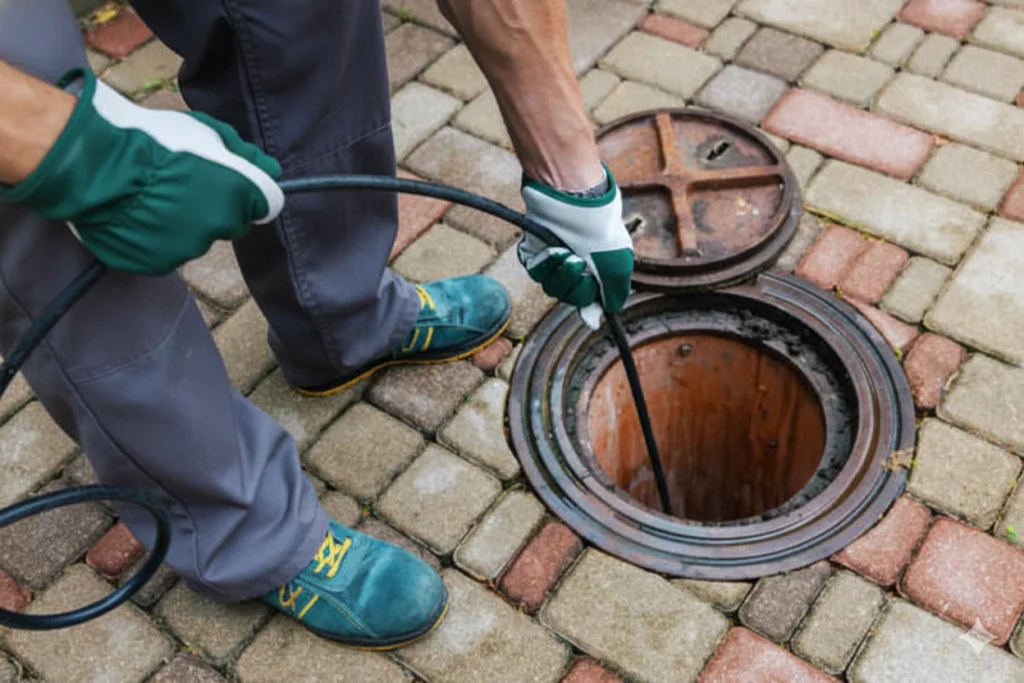
For more persistent blockages, start with a plunger specifically designed for the drain type. Toilets require a flange plunger, while sink drains need a cup plunger. If plunging doesn’t work, try enzyme-based cleaners that break down organic matter without damaging pipes. Chemical drain cleaners should be your last resort, as they can corrode older pipes and create environmental concerns.
Bonus Tip: In colder climates, sewer lines can freeze during winter, creating temporary blockages that cause odors. If you live in an area with freezing temperatures, consider insulating exposed pipes and keeping a slow trickle of water running during extreme cold snaps.
The age of your plumbing system plays a significant role in determining the right approach. Homes built before 1970 may have clay or cast-iron pipes that require specialized handling. Modern homes with PVC pipes withstand most chemical cleaners better, but can still suffer from improper installation issues.
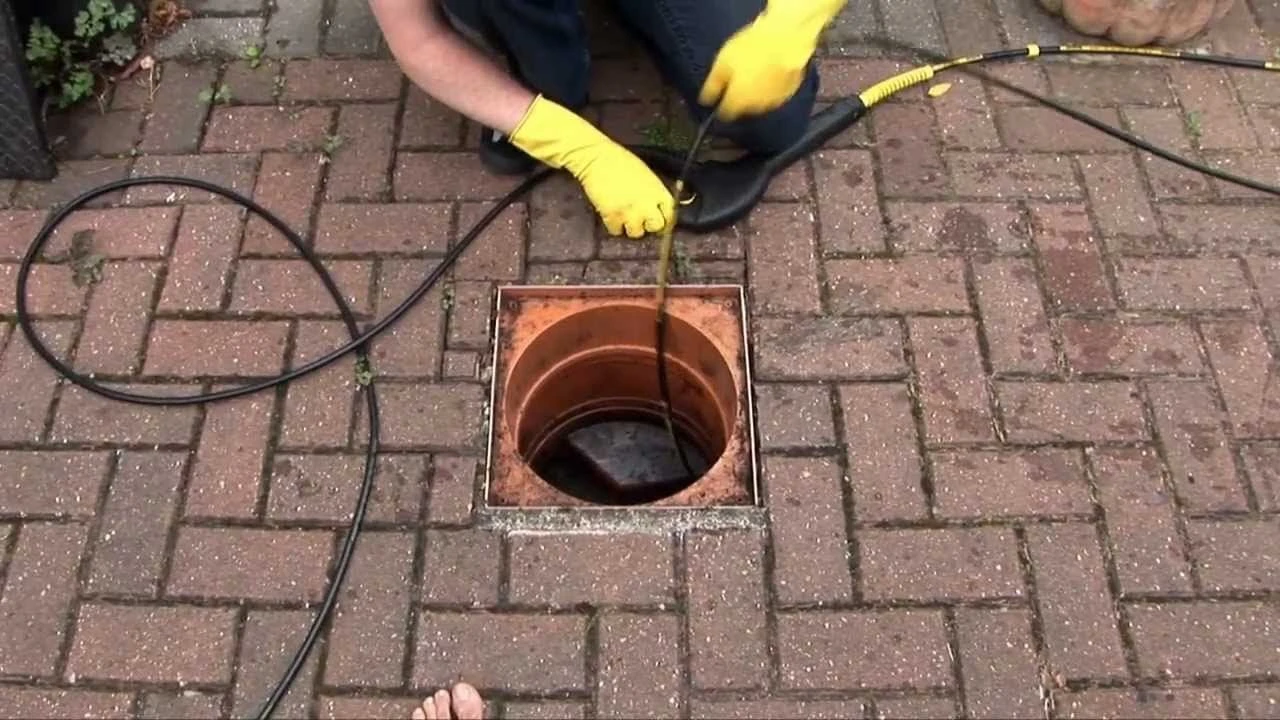
Consider the extent of the problem. A single drain issue is typically manageable for most homeowners, but problems affecting multiple drains usually indicate main line blockages that require professional equipment like sewer cameras and high-pressure water jets. The cost difference between DIY attempts and professional service often comes down to whether the problem worsens before being properly addressed.
Regional factors also matter. Areas with heavy clay soil, like the Pacific Northwest, experience more tree root problems, while regions with hard water see faster mineral buildup in pipes. Simpson Plumbing regularly encounters these regional variations in their service area, where the combination of older infrastructure and aggressive tree growth creates unique challenges.
Sewage odors typically stem from dry traps, blocked vents, or sewer line problems, each requiring different solutions. Start with simple fixes like running water down drains, but don’t hesitate to call for help if multiple drains are affected or if odors persist after basic troubleshooting. The longer you wait, the worse these problems usually become.
Assess your situation honestly: if you’re dealing with a single drain issue and feel comfortable with basic plumbing tasks, DIY methods might suffice. However, if you’re experiencing widespread problems, have older plumbing, or notice symptoms like foundation cracks or sinkholes, professional intervention is the wise choice. Simpson Plumbing has the equipment and expertise to diagnose these issues accurately and prevent costly damage to your home.
If you’ve tried basic solutions without success, or if you’re dealing with multiple affected drains, it’s time to call in professionals. For residents experiencing persistent sewage odors, slow drains, or backup issues, Simpson Plumbing offers comprehensive diagnostic services using sewer cameras and specialized equipment. Contact us at [email protected] or call (360) 325-4646 to schedule an inspection before minor problems escalate into expensive emergencies. Our experienced technicians can quickly identify the root cause and recommend the most cost-effective solution for your specific situation.
Signs of a broken sewer line include recurring drain clogs, sewage backups, foundation cracks, sinkholes in your yard, and rodent or insect infestations. You might also notice wet spots in your lawn that don’t dry, especially near where your sewer line runs.
Tree roots seek moisture and nutrients, making sewer lines an attractive target. Even tiny cracks in pipes allow root hairs to enter, which then grow larger and eventually break the pipe completely. Species like willows, maples, and poplars are particularly aggressive.
Chemical cleaners provide temporary relief for minor clogs but can damage pipes, especially older ones. They also kill beneficial bacteria in septic systems and create environmental hazards. For persistent problems, mechanical cleaning or professional service is safer and more effective.
Monthly maintenance prevents most odor problems. Run hot water through all drains weekly, pour water down floor drains monthly, and clean garbage disposals regularly. This routine keeps P-traps full and prevents organic buildup that causes odors.
Sewage smells become emergencies when accompanied by actual sewage backing up into drains or toilets, or when multiple fixtures stop working simultaneously. These situations indicate main line blockages that could cause extensive property damage if not addressed immediately.