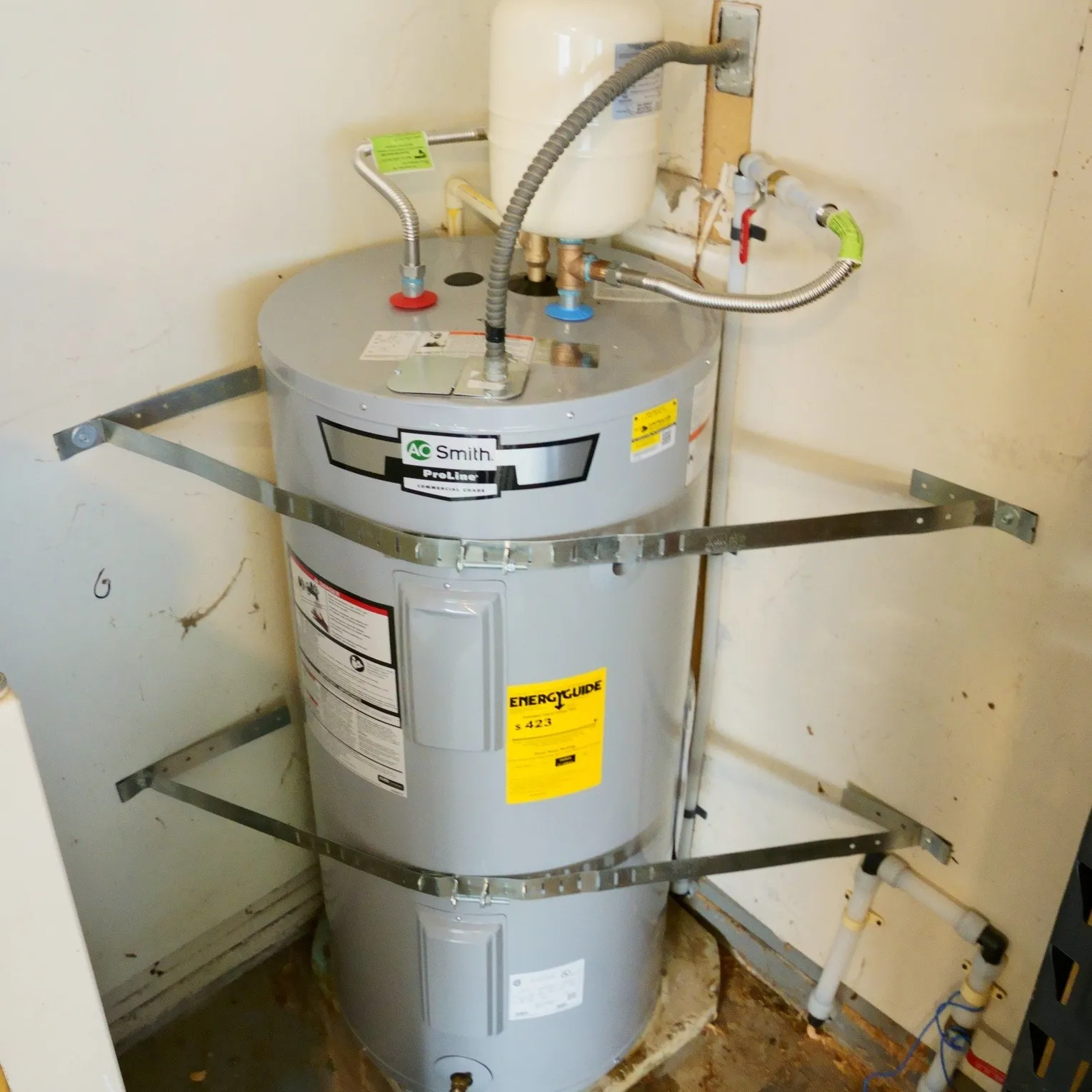
How Hard Water Affects Water Heater Performance and Longevity
admin-plumbernw
January 28th, 2026
Hard water directly damages water heaters by creating mineral scale buildup that reduces heating efficiency by up to 48%, increases energy consumption by 24-34%, and can cut the appliance’s lifespan from 12-15 years down to 6-8 years. The calcium and magnesium minerals in hard water precipitate out when heated, forming rock-hard deposits on heating elements, tank walls, and pipes that act as insulation, forcing your water heater to work harder and longer to heat water.
This guide explains the science behind hard water damage, shows you how to identify scale issues early, and provides practical solutions to protect your investment. The information comes from decades of hands-on experience diagnosing and resolving water heater failures in homes with varying water hardness levels.
Understanding Hard Water and Scale Formation
Hard water contains dissolved minerals, primarily calcium carbonate and magnesium, which originate from limestone and other mineral deposits in groundwater. According to the U.S. Geological Survey, about 85% of American homes have hard water, with severity varying by region. The Southwest and upper Midwest typically experience the hardest water conditions.
When water heats up in your water heater, these minerals undergo a chemical transformation. The heat energy causes dissolved calcium and magnesium ions to combine with carbonate ions, forming calcium carbonate and magnesium carbonate solids. This process, called precipitation, creates microscopic crystals that adhere to surfaces inside your water heater. Over time, these crystals build up, forming thick, rock-hard scale deposits that can reach several inches in severe cases.
Performance Impacts on Your Water Heater
Scale accumulation creates multiple performance problems that compound over time. The mineral coating acts as an insulator between the heat source and the water, dramatically reducing heat transfer efficiency. This insulation effect means your water heater must run significantly longer and consume more energy to reach target temperatures.
Research from the Water Quality Association shows that just 1/8 inch of scale buildup can increase water heating costs by 25%, while 1/2 inch can double energy consumption. The heating elements run constantly instead of cycling normally, leading to premature burnout. Gas water heaters suffer similarly, as scale covers the bottom of the tank where the burner flame heats the water, requiring higher gas usage to achieve the same heating results.
The effects become most noticeable during periods of high demand. Morning showers, laundry cycles, and dishwashing put increased strain on an already compromised system. You’ll experience lukewarm water, longer recovery times between uses, and potentially complete system failure during peak usage periods.
Performance Degradation Comparison
Scale Thickness
Efficiency Loss
Energy Cost Increase
Reduced Hot Water Capacity
None
0%
0%
0%
1/16 inch
12%
12-15%
8%
1/8 inch
25%
25-30%
15%
1/4 inch
40%
40-45%
25%
1/2 inch
60%
60-70%
40%
Longevity Effects and Failure Patterns
The cumulative stress of hard water damage dramatically shortens the water heater’s lifespan through multiple failure mechanisms. Electric water heaters experience element burnout as scale causes overheating and hot spots. The elements either fail completely or develop cracks that allow water to reach the internal wiring, creating safety hazards.
Gas water heaters face different but equally damaging issues. Scale accumulation at the tank bottom creates hot spots that can crack the porcelain lining, exposing the steel tank to corrosion. The constant overheating also damages the dip tube, which feeds cold water to the tank bottom. When this tube fails, cold water mixes with hot water at the top of the tank, resulting in perpetually lukewarm water regardless of thermostat settings.
The tank itself suffers the most expensive damage. Scale buildup accelerates corrosion by trapping water against the tank walls and creating micro-environments where rust can flourish. Once corrosion penetrates the tank lining, leaks develop, requiring the tank to be completely replaced. According to industry data, water heaters in hard-water areas typically fail after 6-8 years, compared to 12-15 years in soft-water areas, a difference that costs homeowners thousands in premature replacement costs.
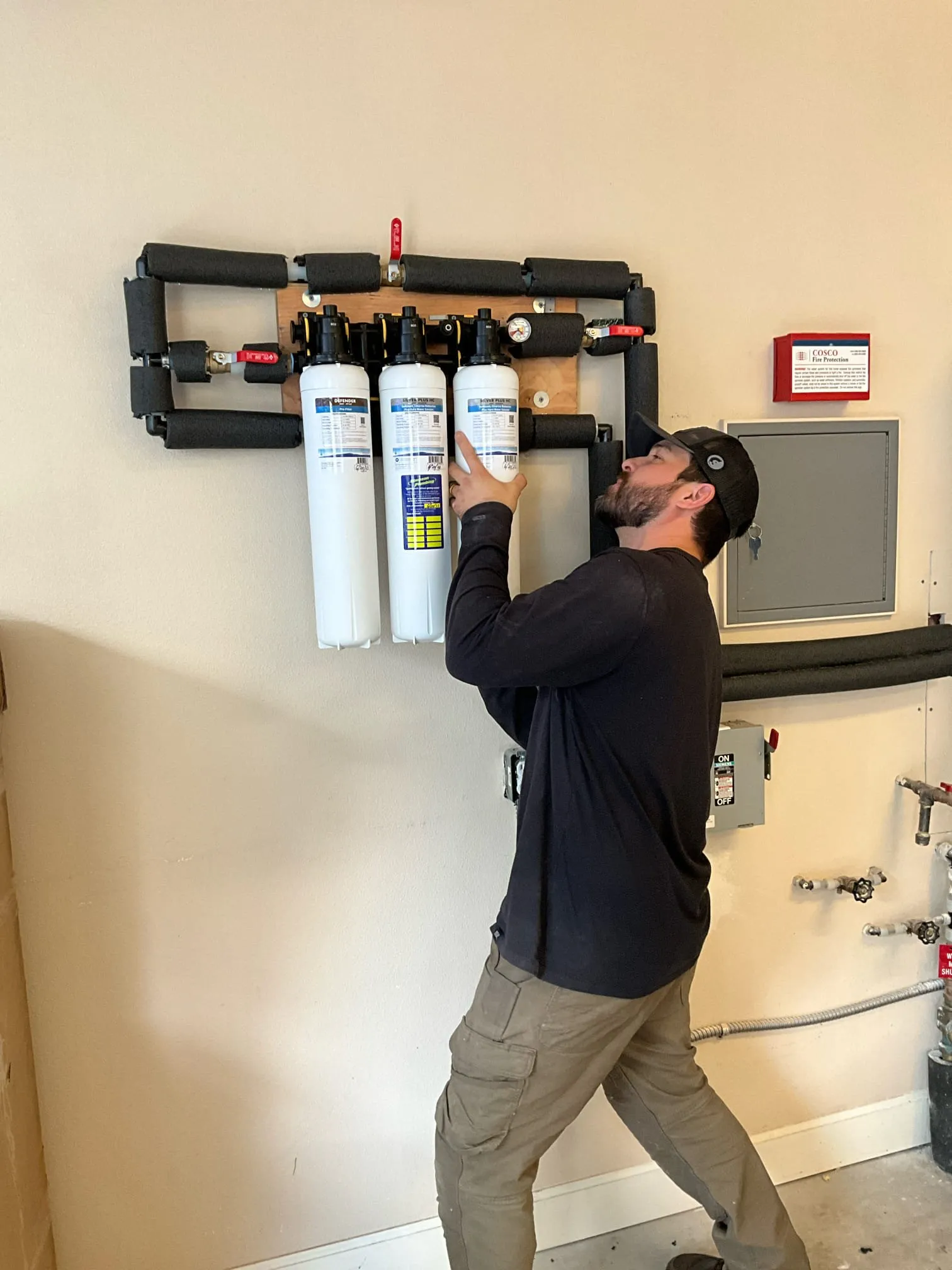
Bonus Tip: Install a sediment filter before your water heater. These inexpensive devices catch larger mineral particles before they enter the tank, extending the time between professional cleaning sessions by 30-40%.
Regional Considerations
Hard water severity varies significantly by geographic location, affecting how quickly damage occurs. The Pacific Northwest generally has moderately hard water (3-6 grains per gallon), while the Southwest experiences very hard water (over 10 grains per gallon). Local water quality reports available from municipal utilities can help you understand your specific situation.
Homes with private wells face the most unpredictable hard water conditions. Well mineral content changes seasonally and can vary dramatically even between neighboring properties. Testing your well water annually is essential for determining appropriate treatment strategies.
Climate also influences hard water damage. Hotter regions see accelerated scale formation because water heaters run more frequently to maintain temperatures in warm environments. Conversely, cold climates actually help some by allowing heaters to cycle less frequently, though the basic damage mechanisms remain the same.
Bonus Tip: If you live in an area with very hard water (over 10 grains per gallon), consider installing a whole-house water softener rather than just tackling the water heater. The system-wide benefits include longer appliance life, softer skin and hair, and reduced soap consumption.
Things to Consider Before Making a Decision
When deciding how to address hard water damage to your water heater, several factors require evaluation. The age and current condition of your existing unit significantly impact whether repair or replacement makes more economic sense. Units over 8-10 years old with visible scale damage typically aren’t worth the investment in aggressive cleaning or protection systems.
Your budget constraints and timeline also matter. Whole-house water softeners cost $500-3,000 installed but provide comprehensive protection. Point-of-use systems specifically for water heaters cost less ($150-500) but only protect the heating system. Professional descaling runs $150-300 and must be repeated annually in hard water areas.
Future plans for your home also affect the decision. If you’re considering selling soon, a new water heater adds resale value, while a softener system may not be appreciated by all buyers. However, if you plan to stay long-term, investing in comprehensive water treatment provides ongoing benefits beyond just protecting your water heater.
Bonus Tip: Ask for a water hardness test when getting quotes. Many plumbing companies offer this free service, and the exact grain count helps determine whether a basic system or high-capacity unit is appropriate for your home.
Taking Action on Hard Water Damage
Hard water silently destroys water heaters through relentless mineral accumulation that reduces efficiency, increases operating costs, and dramatically shortens equipment life. The damage progresses slowly but predictably, making early detection and intervention essential for protecting your investment. Regular maintenance, appropriate water treatment, and professional descaling when needed can extend your water heater’s service life by 50% or more while maintaining optimal performance and energy efficiency.
Evaluate your current water quality, assess your water heater’s condition, and determine which combination of prevention and maintenance strategies makes the most sense for your specific situation before damage becomes irreversible.
Professional Water Quality Solutions
Simpson Plumbing provides comprehensive hard water assessments and solutions for homeowners struggling with mineral damage. The team offers free water hardness testing, professional descaling services, and complete water treatment system installations. Contact Simpson Plumbing at [email protected] or (360) 325-4646 to schedule an evaluation of your water heater and water quality conditions.
Frequently Asked Questions
Does hard water affect tankless water heaters differently?
Tankless units are actually more sensitive to hard water than traditional tanks. Scale buildup in the narrow heat exchangers can cause complete failure in 2-3 years without proper treatment, compared to 6-8 years for traditional tanks in the same conditions.
Can I use vinegar to descale my water heater?
Small amounts of vinegar (1-2 gallons) can help remove minor scale, but excessive use can damage aluminum anodes and other components. Professional descaling uses food-grade phosphoric acid specifically formulated for safe and effective mineral removal.
How much does hard water really cost me?
The American Water Works Association estimates that hard water costs homeowners $800-1,200 annually through higher energy bills, appliance replacements, increased soap use, and cleaning products related to mineral deposits.
Should I replace my water heater or just treat the water?
For units under 8 years old with good structural integrity, investing in water treatment and professional descaling makes economic sense. Units over 10 years old or showing signs of tank corrosion typically warrant replacement rather than repair.
Sources
U.S. Geological Survey – Federal agency providing comprehensive data on water hardness distribution across the United States and the geological factors that cause hard water conditions.
Water Quality Association – Non-profit organization representing the residential, commercial, and industrial water treatment industry, with research on scale impacts on water heating efficiency.
American Water Works Association – International nonprofit scientific and educational association dedicated to improving water quality and supply, providing cost analysis of hard water impacts on households.
Membership benefits significantly reduce water filtration costs in Vancouver, WA, by providing discounted equipment pricing, waived service fees, priority scheduling,…
Simpson Plumbing was created and founded by Dale Simpson’s passion and commitment to providing quality plumbing work in Camas, Vancouver, WA, and surrounding areas.