Why Your Home Smells Like Sewage and How to Fix It
Your home likely smells like sewage due to dry drain traps, sewer line blockages, or venting issues. The most common…


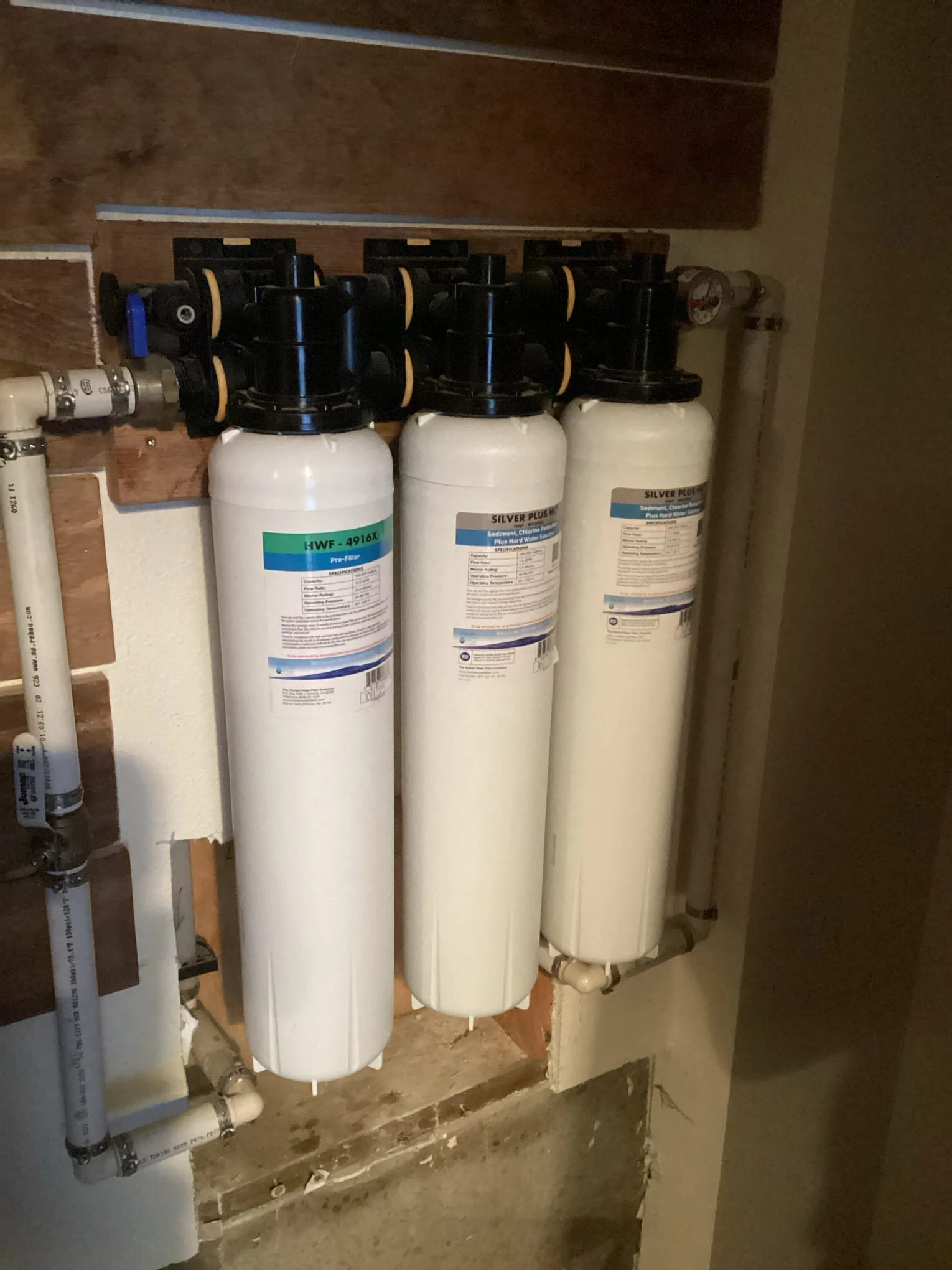
PFAS chemicals in Vancouver’s water supply pose serious health threats that many residents don’t know about. These synthetic compounds, linked to cancer, thyroid problems, and immune system damage, have been detected in local water sources. Understanding contamination risks and implementing protective measures, such as proper water filtration systems, can safeguard your family’s health over the long term.
This guide breaks down everything Vancouver homeowners need to know about PFAS exposure, testing methods, and effective water treatment options. Simpson Plumbing has helped hundreds of local families address water quality concerns through decades of hands-on experience in Southwest Washington.
PFAS (per- and polyfluoroalkyl substances) are man-made chemicals used in thousands of products since the 1940s. Found in non-stick cookware, waterproof clothing, firefighting foam, and food packaging, these compounds break down extremely slowly and accumulate in the human body over time. The Environmental Protection Agency reports that PFAS exposure can increase cholesterol levels, alter liver enzymes, decrease infant birth weights, and increase certain cancer risks.
These chemicals enter water systems through industrial discharge, landfill runoff, and firefighter training areas. Once in groundwater, PFAS can travel miles from contamination sites. The Centers for Disease Control and Prevention notes that nearly all Americans have measurable PFAS levels in their blood, reflecting how widespread these chemicals have become in our environment.
Vancouver faces specific contamination challenges due to its industrial history and proximity to Portland’s manufacturing facilities. The Vancouver Water Department has conducted testing at various distribution points, with some samples showing PFAS concentrations approaching Environmental Protection Agency advisory levels of 4 parts per trillion.
Clark County’s agricultural areas contribute additional risks through historical pesticide applications containing PFAS compounds. The region’s heavy rainfall patterns also accelerate chemical transport from soil into groundwater systems, creating widespread contamination potential even for homes using private wells.
Understanding where PFAS contamination comes from helps target testing and treatment strategies effectively:
| Source | Typical PFAS Levels | Detection Difficulty |
|---|---|---|
| Industrial discharge | High (100-1000+ ppt) | Moderate |
| Firefighter training areas | Very High (1000+ ppt) | Easy |
| Landfill leachate | Moderate (10-100 ppt) | Difficult |
| Agricultural runoff | Low-Moderate (1-50 ppt) | Very Difficult |
| Residential wastewater | Low (1-10 ppt) | Very Difficult |
Table: PFAS contamination sources and characteristics in the Pacific Northwest
Regular water testing remains the only way to determine specific contamination levels at individual properties. Standard municipal water tests often don’t include PFAS analysis, requiring specialized laboratory testing that can detect these compounds at parts-per-trillion concentrations.
Professional water testing should be the first step before investing in treatment systems. Certified laboratories can analyze water samples for the full range of PFAS compounds. For Vancouver residents, the Washington State Department of Health maintains a list of accredited testing facilities that serve Southwest Washington.
Home test kits for PFAS have limitations in accuracy and comprehensive detection. While useful for preliminary screening, professional laboratory analysis provides the detailed information needed to select appropriate treatment technologies. Sample collection protocols matter significantly – improper sampling can lead to false negative results, especially with low-level contamination.
Bonus Tip: When collecting water samples for PFAS testing, use glass containers rather than plastic, as some PFAS compounds can stick to plastic surfaces and skew results low.
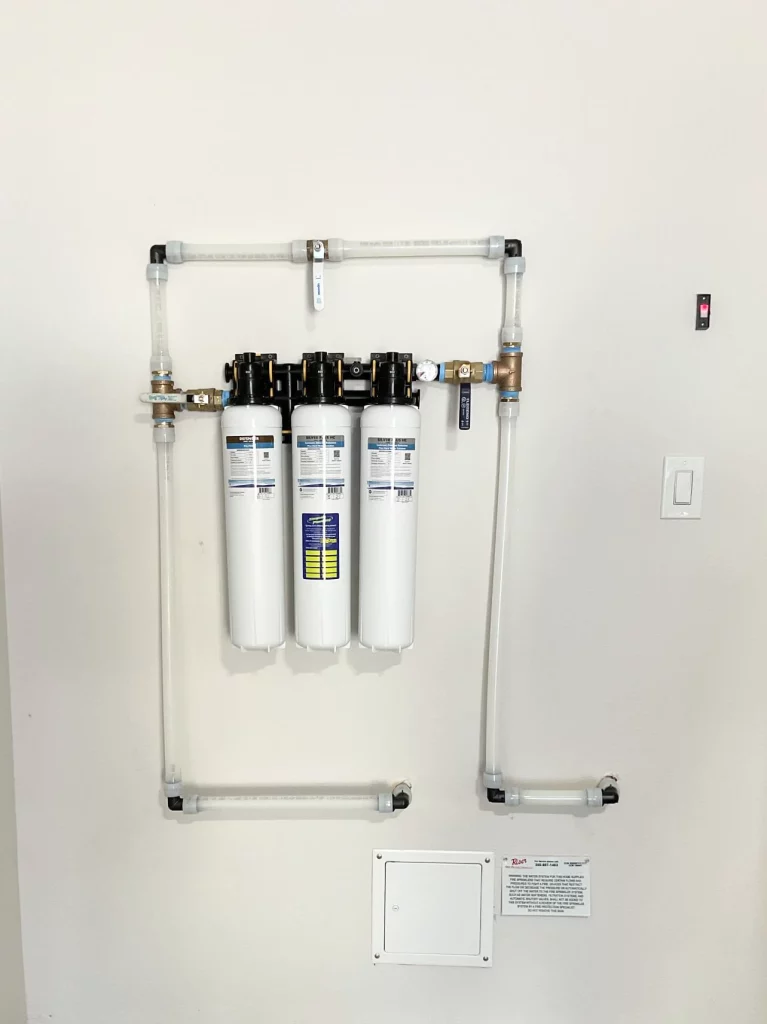
Multiple treatment technologies can remove PFAS from drinking water, each with distinct advantages and limitations:
Granular Activated Carbon (GAC) GAC systems adsorb PFAS compounds onto carbon surfaces. Effective for long-chain PFAS compounds but less efficient for newer short-chain variants. Requires regular carbon media replacement every 6-12 months, depending on contamination levels and water usage.
Reverse Osmosis (RO) RO systems force water through semi-permeable membranes that block PFAS molecules. Removes up to 99% of PFAS compounds but produces wastewater and requires regular membrane replacement. Point-of-use RO units treat water at specific taps while whole-house systems protect all water fixtures.
Ion Exchange Resins Specialty resins exchange PFAS molecules for chloride or hydroxide ions. Highly effective across all PFAS types but expensive and typically installed as point-of-entry systems for comprehensive protection.
Bonus Tip: For Vancouver homes with known contamination, a two-stage approach combining GAC and RO provides comprehensive protection against both long-chain and short-chain PFAS compounds.
Selecting the right plumbing company in Vancouver requires evaluating multiple factors specific to your situation:
Contamination Levels Start with professional test results showing exact PFAS types and concentrations. Different treatment technologies vary in effectiveness for specific PFAS compounds. Short-chain PFAS, increasingly common in consumer products, require more advanced treatment than long-chain variants.
Household Water Usage Calculate daily water consumption to size treatment systems appropriately. Whole-home water systems protect all water sources but cost significantly more than point-of-use units at specific taps. Consider that bathing and showering in PFAS-contaminated water still creates exposure risks.
Installation and Maintenance Costs Budget not just for equipment but also professional installation, regular maintenance, and media replacement. GAC systems need carbon changes every 6-12 months, RO membranes last 2-3 years, and ion exchange resins may require regeneration or replacement annually.
Certification Standards Look for systems certified to NSF/ANSI standards for PFAS reduction. These certifications verify manufacturer claims through independent testing, ensuring systems perform as advertised for specific contaminant removal.
Protecting your family from PFAS contamination requires informed decision-making based on your specific water quality situation. Start with professional testing to understand your exposure levels, then select treatment technologies matched to those results. Whole-house systems provide comprehensive protection while point-of-use units offer budget-conscious targeted protection for drinking water.
The investment in proper water treatment pays dividends through reduced health risks and peace of mind. Vancouver residents facing PFAS contamination have multiple effective options available, from basic carbon filtration to advanced multi-stage systems designed for the most challenging contamination scenarios.
Simpson Plumbing offers comprehensive water testing and treatment system installation for Vancouver, WA residents concerned about PFAS contamination. Contact us at [email protected] or call (360) 325-4646 to schedule professional water testing and consultation. Certified water quality specialists can help identify contamination risks and recommend appropriate treatment solutions based on your specific needs and budget constraints.
The EPA set health advisory levels at 4 parts per trillion for PFOA and 4 ppt for PFOS in 2022. New regulations expected in 2024 will establish legally enforceable limits for additional PFAS compounds, requiring water utilities to monitor and treat contamination.
Most refrigerator filters use basic carbon filtration with limited PFAS removal capabilities. Some newer models include enhanced treatment technologies certified for PFAS reduction, but verification through NSF certification is essential to confirm effectiveness.
Not necessarily. Bottled water quality varies widely by source and brand. Some companies use spring water sources with natural PFAS levels, while others use municipal water that may contain PFAS. Look for brands that publish water quality reports showing PFAS testing results.
For homes with known contamination, test annually after installing treatment systems to verify effectiveness. For homes with no previous contamination, test every 3-5 years or sooner if nearby industrial activities change or new contamination sources emerge in your area.