Why Your Home Smells Like Sewage and How to Fix It
Your home likely smells like sewage due to dry drain traps, sewer line blockages, or venting issues. The most common…


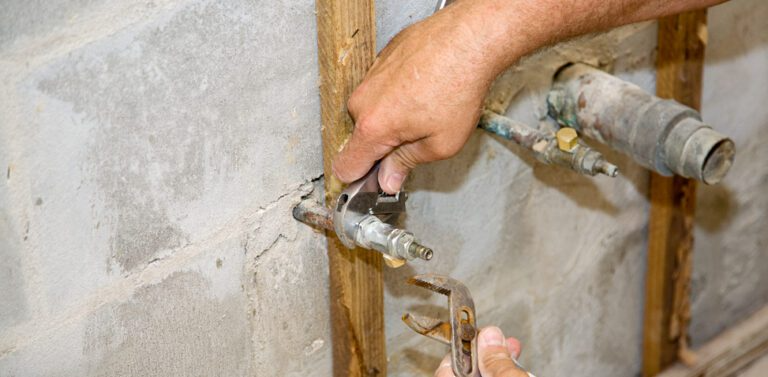
Knowing how to shut off your home’s water supply quickly is one of the most critical skills for any Washougal homeowner. The main water shut-off valve is typically located where the water line enters your home, often in the basement, crawlspace, or near the water meter. Turn it clockwise until it stops to stop all water flow. For immediate emergencies, closing this valve can prevent thousands of dollars in water damage within minutes. This guide provides the essential knowledge every Washougal resident needs to protect their property from plumbing disasters.
Simpson Plumbing has handled countless water emergencies in the Washougal area, witnessing firsthand how proper preparation and quick action make the difference between a minor inconvenience and catastrophic property damage. The Pacific Northwest’s wet climate and older housing stock in parts of Washougal create specific vulnerabilities that every homeowner should understand.
Most homes in Washougal have their main shut-off valve in one of three locations. The most common spot is where the water line enters the house from the street, typically through a basement wall or crawlspace. In newer subdivisions, the valve might be located in an exterior meter box near the sidewalk. Some homes, especially those built before 1970 in Washougal’s older neighborhoods, have the valve inside a garage or utility closet.
The valve handle type varies by home age and construction. Round handles require several full clockwise rotations to close completely. Lever handles are more common in newer construction and only need a quarter turn from perpendicular to parallel with the pipe to stop water flow. If your valve hasn’t been moved in years, it might be stiff or corroded. Test it periodically to ensure it works when needed.
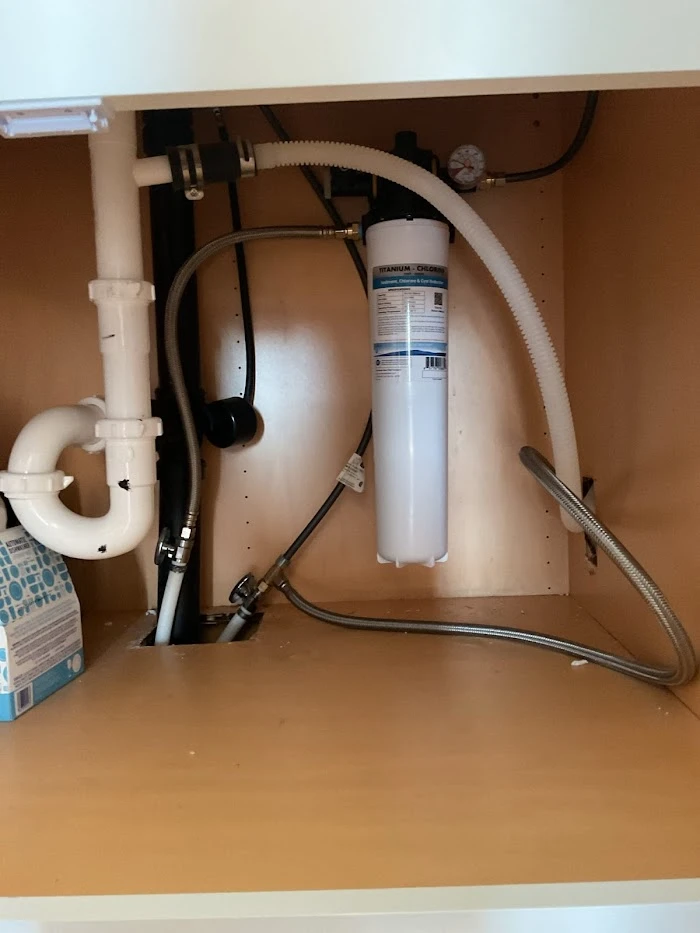
Beyond the main valve, knowing secondary shut-off locations provides additional control during localized issues. Every toilet should have its own shut-off valve extending from the wall behind it, typically a small oval or round handle. Sink shut-offs are usually located in the cabinet below, with separate valves for hot and cold water lines. Washing machine connections typically have two valves behind the unit that control both the hot and cold supplies.
Properties in Washougal’s riverfront areas face unique water pressure challenges during seasonal changes. The Columbia River’s water levels can affect municipal water systems, occasionally creating pressure fluctuations that stress older plumbing systems in Washougal, WA. Homes in the Washougal River area might experience more sediment buildup in their water lines, requiring more frequent valve maintenance to ensure proper function.
Winter weather presents additional concerns. While Washougal’s climate is milder than eastern Washington, freezing temperatures still occur several times per winter. Pipes on exterior walls, in unheated crawlspaces, or along the north sides of homes are particularly vulnerable. During cold snaps, leave sink cabinet doors open to allow warmer air to reach pipes, and consider insulating exposed water lines.
When you discover active water leakage, follow these steps immediately to minimize damage:
Time is critical. According to the Institute for Business & Home Safety, standing water begins causing permanent damage to drywall within hours, and mold can start growing within 24-48 hours in Washougal’s damp climate. Professional restoration services should be contacted for significant flooding, but immediate action by the homeowner determines the extent of damage.
Not every water issue requires professional intervention immediately. Small drips from faucets or minor toilet runs might wait for scheduled service. However, certain situations demand immediate professional attention regardless of the time or day:
Insurance coverage varies significantly between policies. Most standard homeowner policies cover sudden and accidental water damage but exclude gradual leaks or maintenance-related issues. Document all damage with photographs before beginning cleanup, and contact your insurance provider promptly to understand your coverage limits.
Experienced plumbers in Washougal have observed patterns that help homeowners prevent water disasters. Label your shut-off valves with tags indicating what they control, a simple solution that prevents confusion during emergencies. Keep a water shut-off key near your water meter box; these specialty tools are available at hardware stores and make accessing municipal valves much easier.
Install water detection alarms in vulnerable areas like laundry rooms, under sinks, and near water heaters. These inexpensive devices sound an alert at the first sign of moisture, often catching problems before they become disasters. For Washougal’s many two-story homes, consider placing alarms on upper levels where leaks can cause damage throughout the structure.
| Water Detection Device Types | Best Location in Home | Battery Life |
|---|---|---|
| Basic spot sensor | Under sinks, near water heater | 1-2 years |
| Smart sensor with app | Throughout home, basement | 2-5 years |
| Whole-home system | Main water line integration | 3-7 years |
| Freeze sensor | Exterior walls, crawlspaces | 1-3 years |
Regular maintenance prevents most water emergencies. Replace washing machine hoses every 3-5 years with reinforced braided models rather than rubber versions. Check toilet supply lines for bulging or cracking, and tighten connections that feel loose. These simple steps prevent the most common causes of household water damage in the Washougal area. According to the Environmental Protection Agency (EPA), proper maintenance of household plumbing not only helps prevent costly water damage but also reduces water waste and supports overall environmental protection by conserving resources and preventing contamination.
Understanding your home’s water shut-off systems and maintaining them regularly provides essential protection against water damage emergencies. Take time today to locate your main valve and test its operation. Identify individual fixture shut-offs and ensure they function properly. Consider installing water detection devices in vulnerable areas, especially given Washougal’s climate challenges and the prevalence of older homes with aging plumbing systems.
Emergency water situations require immediate knowledge and decisive action. The difference between a minor repair and a major restoration often comes down to how quickly and effectively homeowners can stop water flow. Don’t wait for a disaster to learn these essential skills, protect your investment by preparing now.
If you’re uncertain about your home’s water shut-off systems or need water line repairs or replacements, Simpson Plumbing can help ensure your Washougal property is protected. Email [email protected] or call (360) 325-4646 to schedule an inspection. Professional evaluation identifies potential issues before they become emergencies, giving you peace of mind knowing your home is protected against water damage disasters.
Most individual fixtures have dedicated shut-off valves. For sinks and toilets, these are small oval handles on the supply lines behind or beneath the fixture. Turn clockwise to close. Washing machines typically have two valves, one for hot, one for cold, behind the unit. If a specific fixture lacks its own valve, you’ll need to shut off the main water supply.
Don’t force a stuck valve, as this can cause it to break completely. Try spraying penetrating oil around the valve stem and let it sit for several hours before attempting gentle movement. For valves that won’t budge, contact a professional plumber before an emergency occurs. Some homeowners install secondary shut-off valves as backup systems.
Yes, shutting off your main water supply before extended absences is recommended. Even a small leak can cause significant damage over weeks. Close the main valve, then run faucets to relieve pressure and drain remaining water. Also, turn off your water heater’s power supply to prevent damage from running it dry.
Check your water meter by writing down the reading, then avoiding water use for 2 hours. If the reading changes, you likely have a leak. Look for warm spots on floors, musty odors, or unexplained increases in your water bill. Water heaters, toilets, and washing machines are the most common culprits for hidden leaks in Washougal homes.
Manufactured homes often have their main shut-off valve under the kitchen sink or in a utility closet where water lines enter the home. Some have a separate shut-off near the water connection post. Unlike site-built homes, manufactured homes typically have more accessible valve locations but may use different types of connections requiring special tools.