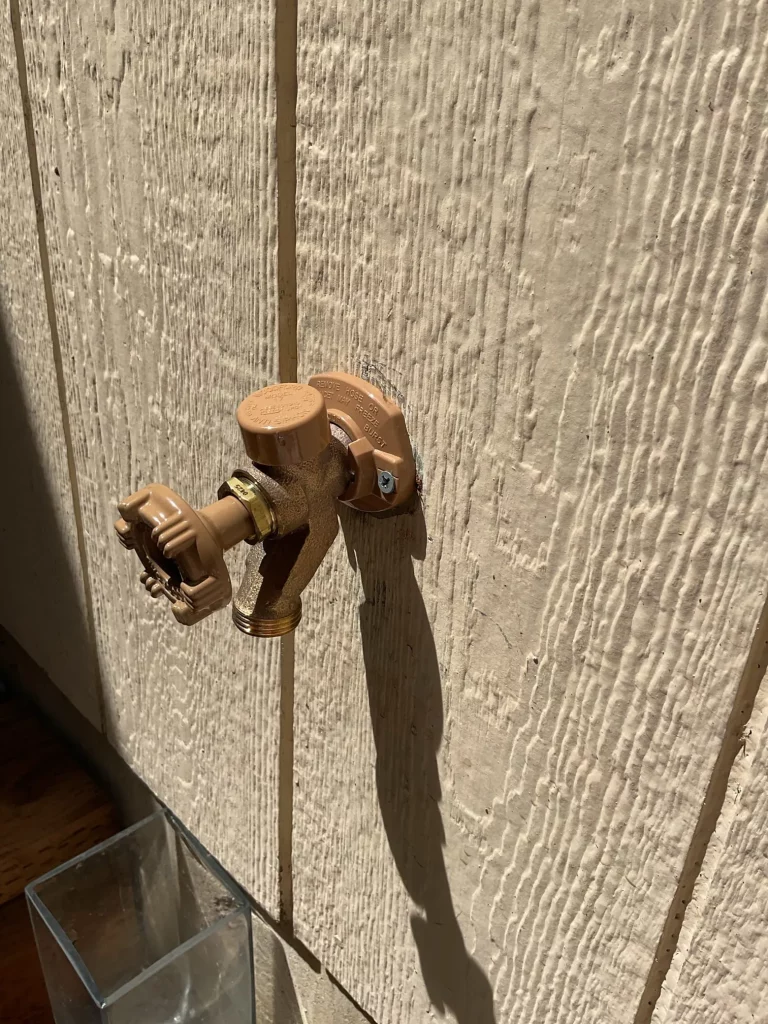
Smart hose bibs represent a significant advancement in outdoor water management, combining traditional spigot functionality with digital controls that allow remote operation, scheduling, and leak detection. These devices connect to home automation systems and smartphone apps, giving homeowners unprecedented control over their outdoor water usage while preventing costly damage from frozen pipes or undetected leaks. The market for smart water fixtures has grown substantially as homeowners seek more efficient ways to manage water resources, with the broader smart home market projected for significant expansion through 2025, according to Statista.
Types of Smart Hose Bib Systems
WiFi-Enabled Models WiFi-connected hose bibs represent the most common type of smart outdoor faucet available today. These units connect directly to your home wireless network, allowing you to control them through smartphone apps from anywhere with internet access. Most feature built-in flow meters, temperature sensors, and automatic shut-off capabilities, providing features like usage tracking and freeze protection alerts.
Bluetooth-Connected Options Bluetooth models provide an entry point into smart hose bib technology for those focused on local connectivity. These devices offer control within a specific range of the unit, making them suitable for smaller properties or homeowners who don’t need remote access from outside the home. While they lack the advanced remote scheduling features of WiFi models, they still provide leak detection and automatic shut-off functionality.
Integrated Smart Valve Systems These solutions combine smart valves with existing traditional hose bibs, creating a comprehensive water management system. Installation is more complex and typically requires professional service, but the benefits include whole-property water monitoring and integration with other smart home devices. According to Consumer Reports, integrated systems can reduce water waste by up to 30% compared to standard fixtures.
Key Features and Benefits
Automatic Leak Detection Modern smart hose bibs incorporate advanced sensors that can detect abnormal water flow patterns indicative of leaks. These systems can automatically shut off the water supply when leaks are detected, preventing property damage and reducing water waste. The technology is particularly valuable in regions with freezing temperatures, where burst pipes can cause significant structural damage.
Scheduled Watering Smart scheduling allows homeowners to program watering times for gardens and lawns, ensuring optimal water usage while complying with local watering restrictions. Advanced models can integrate with weather services to adjust schedules based on rainfall forecasts. Furthermore, the Environmental Protection Agency (EPA) notes that using smart, weather-based irrigation controllers can save the average home up to 15,000 gallons of water annually.
Freeze Protection In colder climates, smart hose bibs offer superior freeze protection through temperature monitoring and automatic drain functions. These features are especially important for homeowners in regions with harsh winters, where frozen pipes are a common concern.
Comparison of Popular Smart Hose Bib Models
Model
Connectivity
Key Features
Installation
Basic Bluetooth Model
Bluetooth
Leak detection, manual control
DIY-friendly
Standard WiFi Model
WiFi
Remote access, scheduling, and usage tracking
Moderate DIY
Premium WiFi Model
WiFi + App
Weather integration, detailed analytics
Professional recommended
Integrated System
WiFi + Hub
Whole-home monitoring, smart home integration
Professional required
Things to Consider Before Making a Decision
Climate and Weather Conditions Homeowners in freezing climates should prioritize models with robust freeze protection features. Those in drought-prone regions might benefit most from systems with advanced water usage tracking and weather-based scheduling. Local building codes may also influence which models are suitable for your area.
Property Size and Layout Large properties with multiple outdoor water access points might benefit from centralized control systems, while smaller homes could adequately function with standalone units. Consider the WiFi signal strength across your property when choosing between WiFi and Bluetooth options.
Long-term Value While smart hose bibs require an initial investment, the water savings and damage prevention can provide significant returns over time. Calculate potential efficiency gains based on your current water usage and local utility rates to determine the long-term benefits of different models.
Technical Compatibility Ensure any smart hose bib system you consider is compatible with your existing plumbing and smart home ecosystem. Some systems work better with specific home automation platforms, while others operate independently.
Bonus Tips From Experience
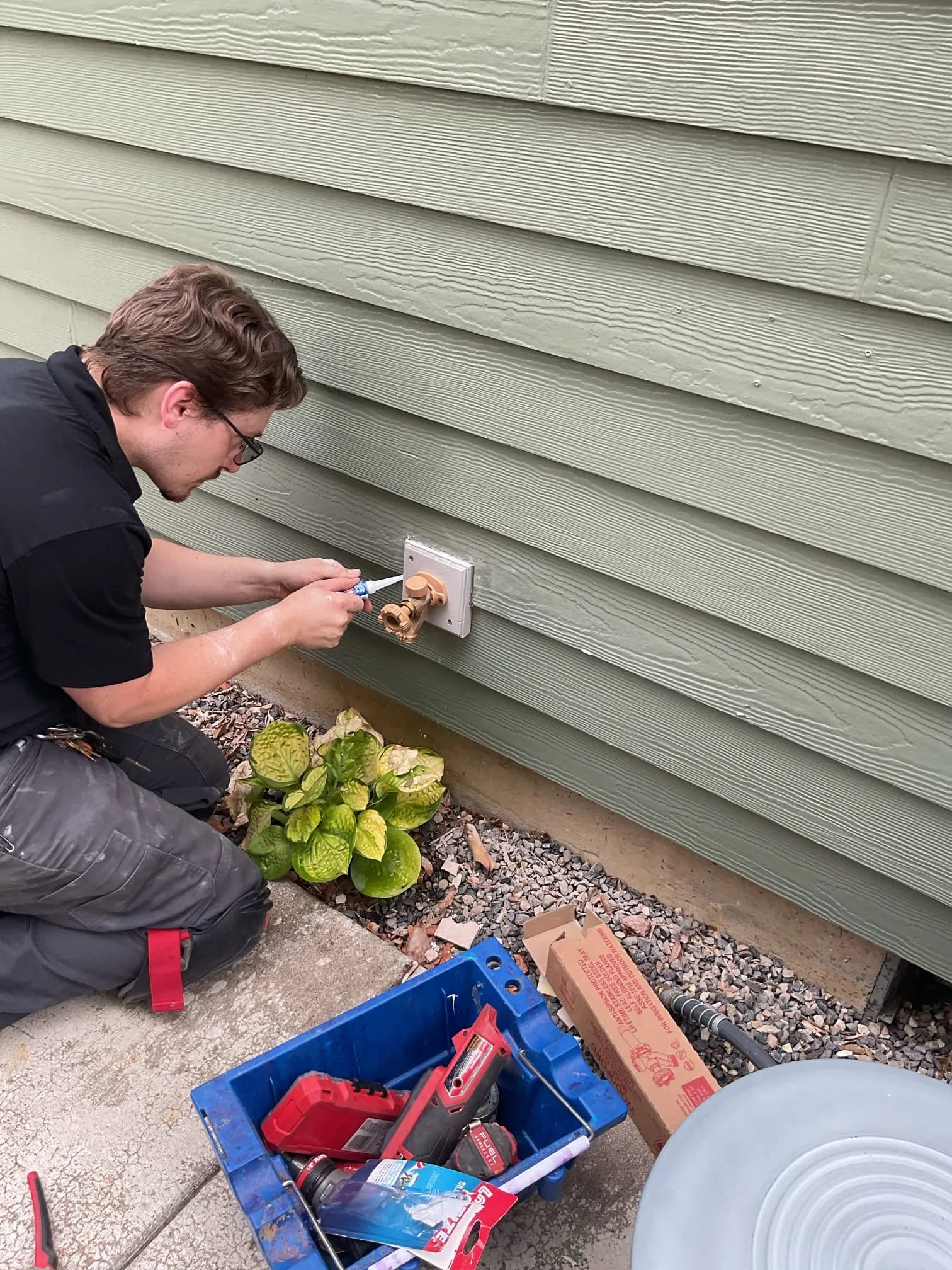
Installation Planning: Before installing a smart hose bib, check your home’s water pressure. Excessively high pressure can damage smart valves, so you may need to install a pressure regulator if your home’s pressure exceeds 80 PSI.
Maintenance Schedule: Smart hose bibs require less maintenance than traditional units, but plan to clean sensors and check batteries at least twice per year to ensure reliable operation.
Seasonal Preparation: In colder regions, use your smart hose bib’s built-in winterization features before the first freeze. Most models can automatically drain and shut down, but verify that this process completes successfully.
Final Considerations
Smart hose bibs offer practical benefits for homeowners seeking better water management and leak protection. When choosing a system, prioritize features that match your specific needs rather than opting for a high-tier model with functions you’ll never use. Consider your climate, property size, technical comfort level, and efficiency goals to find the right balance of features. The best smart hose bib is one that provides reliable protection while making outdoor water management more convenient and efficient.
Need Professional Installation Guidance
For homeowners considering an upgrade to smart hose bib systems, professional guidance can ensure proper installation and optimal performance. Simpson Plumbing offers comprehensive support for selecting and installing smart outdoor faucets that match your specific needs. Contact the team at [email protected] or call (360) 325-4646 to discuss your smart water management goals and receive expert recommendations tailored to your property.
Frequently Asked Questions
How much water can smart hose bibs actually save?
Smart hose bibs typically save 15-30% on outdoor water usage through leak prevention, optimized scheduling, and usage monitoring. The exact savings depend on your current watering habits and local water efficiency.
Are smart hose bibs vulnerable to hacking?
Like any connected device, smart hose bibs can be vulnerable if not properly secured. Choose models with robust encryption, change default passwords, and keep firmware up to date to minimize security risks.
Do smart hose bibs work with voice assistants?
Many premium models integrate with popular voice assistants like Alexa and Google Assistant, allowing voice control of outdoor water systems. Check compatibility lists before purchasing if voice control is important to you.
What happens if the internet goes down?
Most smart hose bibs maintain basic functionality without internet access. WiFi models lose remote features but can typically operate manually, while Bluetooth models continue working normally within range.
How long do smart hose bibs typically last?
Quality smart hose bibs can last 10-15 years with proper maintenance. Electronic components may have shorter lifespans than mechanical parts, so consider warranty coverage when comparing models.
Sources
Statista – Market research data showing projected growth and expansion of the global smart home market.
EPA WaterSense – Statistics and benefits regarding water-efficient irrigation technology and residential conservation.
Membership benefits significantly reduce water filtration costs in Vancouver, WA, by providing discounted equipment pricing, waived service fees, priority scheduling,…
Simpson Plumbing was created and founded by Dale Simpson’s passion and commitment to providing quality plumbing work in Camas, Vancouver, WA, and surrounding areas.