Why Your Home Smells Like Sewage and How to Fix It
Your home likely smells like sewage due to dry drain traps, sewer line blockages, or venting issues. The most common…


Your tap water might contain harmful contaminants despite meeting federal standards. Common warning signs include unusual taste or odor, visible discoloration, recurring health symptoms like digestive issues or skin irritation, and mineral buildup on fixtures. In Vancouver, WA, industrial activity and aging infrastructure pose water quality risks that require attention beyond basic compliance testing.
This guide provides practical guidance on identifying water contamination risks specific to the Vancouver area, along with actionable steps to protect against them. Information comes from extensive experience with regional water systems and contamination testing methods.
Vancouver’s water supply is at risk of contamination from several sources. The city’s water primarily comes from groundwater wells and the Vancouver watershed, but industrial activities, agricultural runoff, and aging pipes introduce risks. According to the Environmental Working Group, many Pacific Northwest water systems contain trace amounts of industrial chemicals, heavy metals, and agricultural byproducts.
Chlorine and chloramine, used for disinfection, can create harmful byproducts when reacting with organic matter. Lead from old plumbing remains a concern in homes built before 1986. Recent testing has detected PFAS (per- and polyfluoroalkyl substances) in nearby water systems, chemicals linked to various health issues U.S. Environmental Protection Agency.
Visible and sensory changes often indicate water problems. A metallic taste suggests iron or manganese, while a chlorine smell indicates excessive disinfectant. Yellow or brown discoloration typically indicates pipe rust, though it can also indicate manganese. Blue-green water might signal copper contamination from corroding plumbing.
Cloudy or turbid water needs immediate attention. While sometimes caused by harmless air bubbles, persistent cloudiness suggests suspended solids, potentially including harmful bacteria or chemicals. Bubbling or foamy water indicates surfactants or chemicals that shouldn’t be present in drinking water.
Unexplained health issues often trace back to contaminated water. Gastrointestinal problems like nausea, diarrhea, or stomach cramps after consuming tap water suggest bacterial or chemical contamination. Skin rashes, eczema flare-ups, or dry, itchy skin after showering indicate sensitivity to chlorine, hard minerals, or other irritants Washington State Department of Health.
Neurological symptoms such as headaches, dizziness, or confusion, especially when occurring shortly after water consumption, require immediate investigation. Chronic exposure to low-level contaminants can cause fatigue, joint pain, or weakened immune function over time.
Vancouver’s industrial history creates unique water quality challenges. The area’s manufacturing base and proximity to the Columbia River introduce potential contamination from industrial processes and shipping activities. Older neighborhoods with original plumbing infrastructure face higher lead and copper risks.
The region’s geology contributes naturally occurring minerals. Arsenic, radon, and uranium can appear in groundwater drawn from local aquifers. Seasonal changes affect water quality too. Heavy rainfall increases agricultural runoff, while summer droughts concentrate contaminants in water sources.
Professional testing provides the most accurate assessment of contamination. Basic tests check for bacteria, nitrates, nitrites, and coliform. Comprehensive testing includes heavy metals, volatile organic compounds, PFAS, pesticides, and pharmaceuticals. Simpson Plumbing recommends annual testing for well owners and testing every 2-3 years for municipal water users.
DIY test kits offer initial screening but lack the precision of laboratory analysis. They’re useful for detecting chlorine, hardness, pH, and basic contaminants, but miss many harmful substances. For thorough evaluation, certified laboratory testing remains the gold standard.
| Testing Method | Detection Range | Accuracy | Turnaround Time |
|---|---|---|---|
| DIY Test Kit | Basic contaminants only | 60-70% | Immediate |
| Lab Basic Panel | Bacteria, nitrates, metals | 95%+ | 3-5 days |
| Lab Comprehensive | Full contaminant spectrum | 98%+ | 7-14 days |
| Municipal Water Report | Regulatory minimums | 85% | Annual |
Before investing in water treatment solutions, evaluate your specific situation. Determine whether contamination affects all the water or just certain faucets. Consider the age of your plumbing system and the materials used. Assess your household’s vulnerability, as children, older adults, and individuals with compromised immunity face higher risks from contaminants.
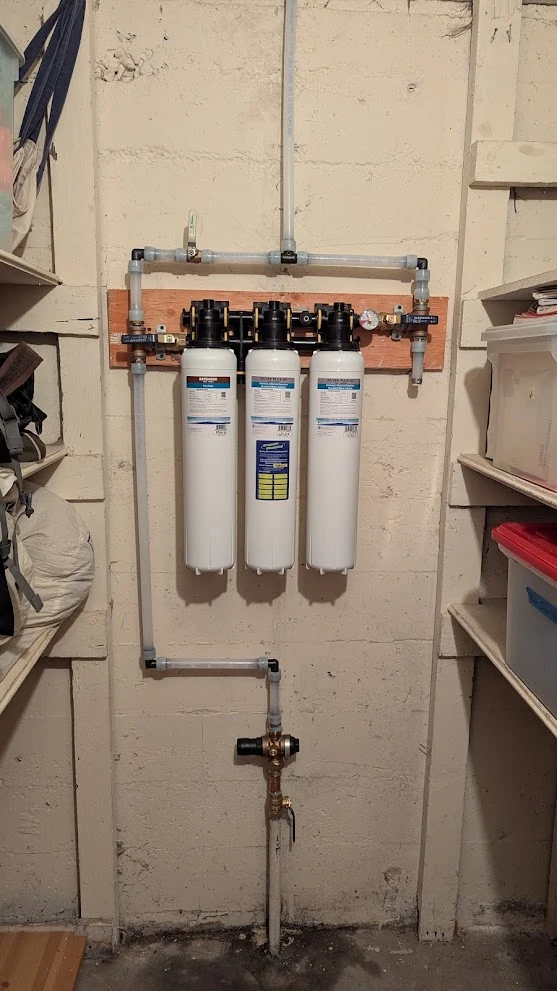
Budget constraints matter, but shouldn’t override health considerations. Some solutions require significant upfront investment but save money long-term. Water usage patterns influence which treatment systems make sense. Large households might benefit more from whole-house water filtration systems, while individuals might prefer point-of-use solutions.
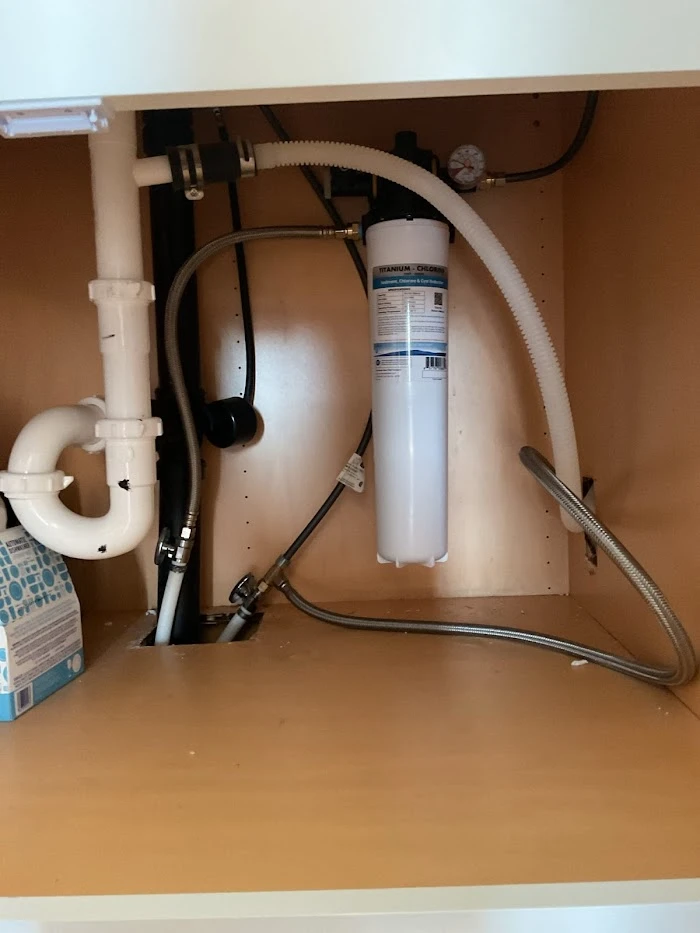
Start with simple water filtration options. Carbon filters effectively reduce chlorine, some volatile organic compounds, and improve taste. They’re affordable and easy to install. Letting water run for 30 seconds before use flushes contaminants from the pipes, which is especially important first thing in the morning.
Store water in glass or stainless steel containers rather than plastic, which can leach chemicals. Clean faucets and aerators regularly to reduce accumulated contaminants. For drinking and cooking, use cold water, as hot water dissolves contaminants more readily and can concentrate them.
Water safety requires vigilance beyond regulatory compliance. Vancouver residents should monitor their water for physical changes, health symptoms, and contamination risks specific to the region. Professional testing provides the clearest picture of your water quality, helping you determine appropriate protection measures. Taking proactive steps to ensure water safety protects your family’s health and provides peace of mind about what you’re consuming daily.
Evaluate your water quality through professional testing, consider your household’s specific risks, and choose protection methods appropriate for your situation. Don’t wait for symptoms to appear before addressing potential contamination issues.
For comprehensive water testing and treatment solutions in Vancouver, WA, contact Simpson Plumbing at [email protected] or call (360) 325-4646. Certified water quality specialists provide thorough contamination analysis and recommend appropriate treatment systems based on your specific needs and local water conditions. Services include laboratory testing, system installation, and ongoing maintenance to ensure your water remains safe for your family.
Homes built before 1986 likely contain lead pipes or lead solder. Look for dull gray pipes that scratch easily with a coin. Lead pipes are soft, and you can make a scratch in them with your fingernail. Copper pipes with lead solder also pose risks, especially with hot water or acidic water. Professional testing provides definitive answers about lead content.
Water filters typically reduce larger particles, chlorine, and some chemicals, and improve taste. Purifiers use additional technologies like UV light or reverse osmosis to reduce viruses, bacteria, and virtually all contaminants. For most municipal water, quality filtration suffices. Purification becomes necessary for well water with biological contamination or when maximum protection is desired.
Not necessarily. Bottled water faces less regulation than tap water and costs significantly more. Some bottled water is simply filtered tap water. Bottles also introduce potential BPA exposure. Quality home filtration often provides water as safe or safer than bottled alternatives while being more economical and environmentally friendly.
Acute effects from high-level contamination appear within hours to days, causing gastrointestinal illness, skin irritation, or neurological symptoms. Chronic effects from low-level exposure develop over months or years, including organ damage, cancer risk, or developmental issues. The timeline depends on contaminant type, concentration, exposure duration, and individual susceptibility.