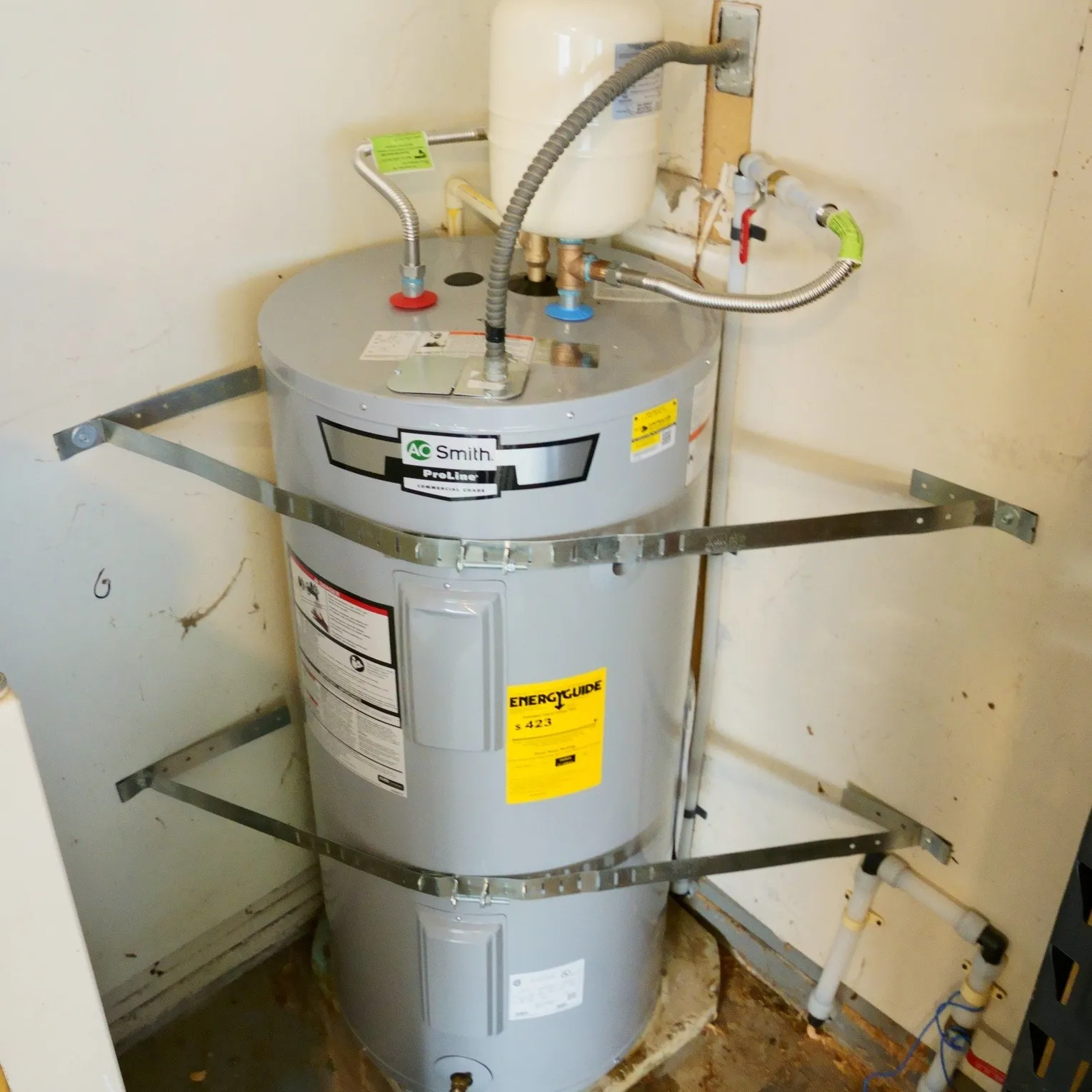
Is It Time to Replace Your Water Heater in 2026? Key Decision Factors
admin-plumbernw
January 28th, 2026
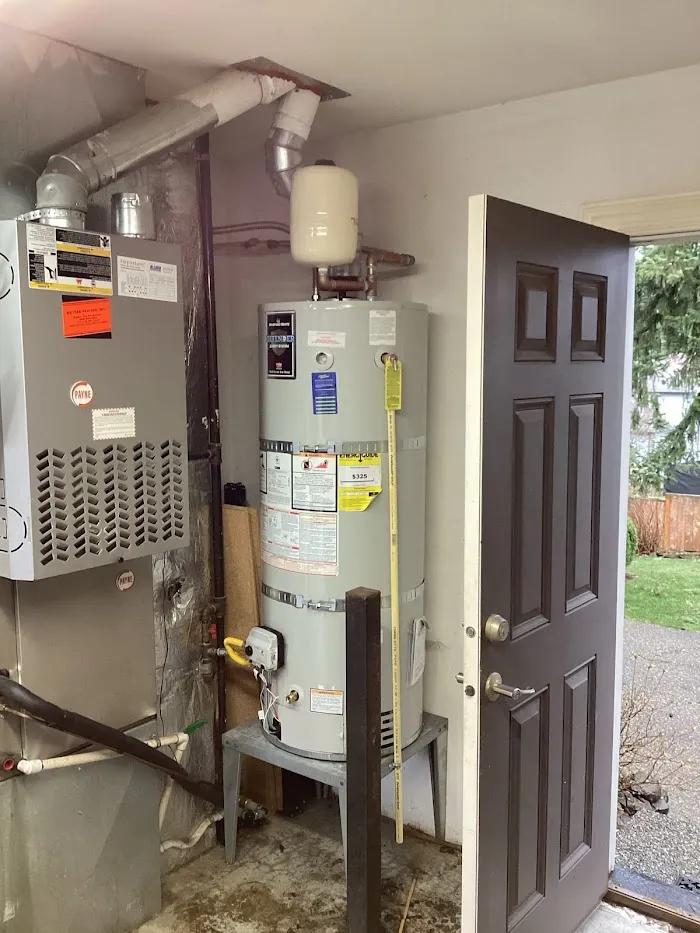
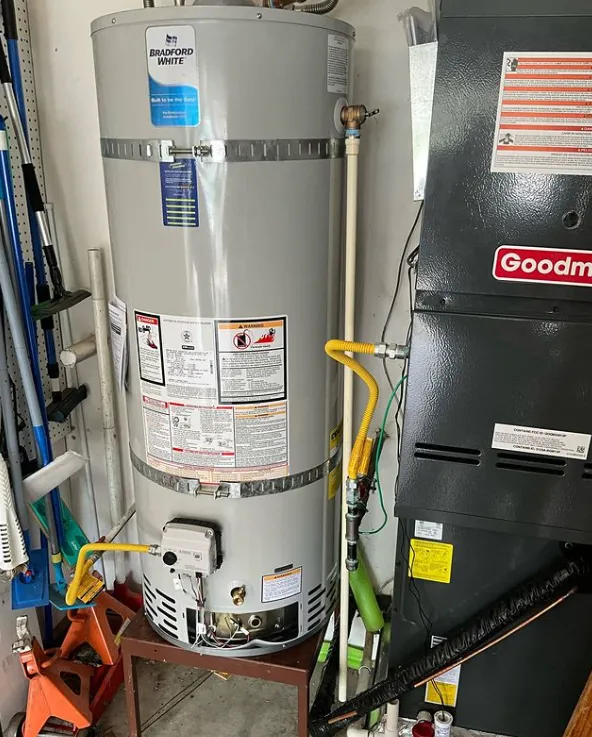
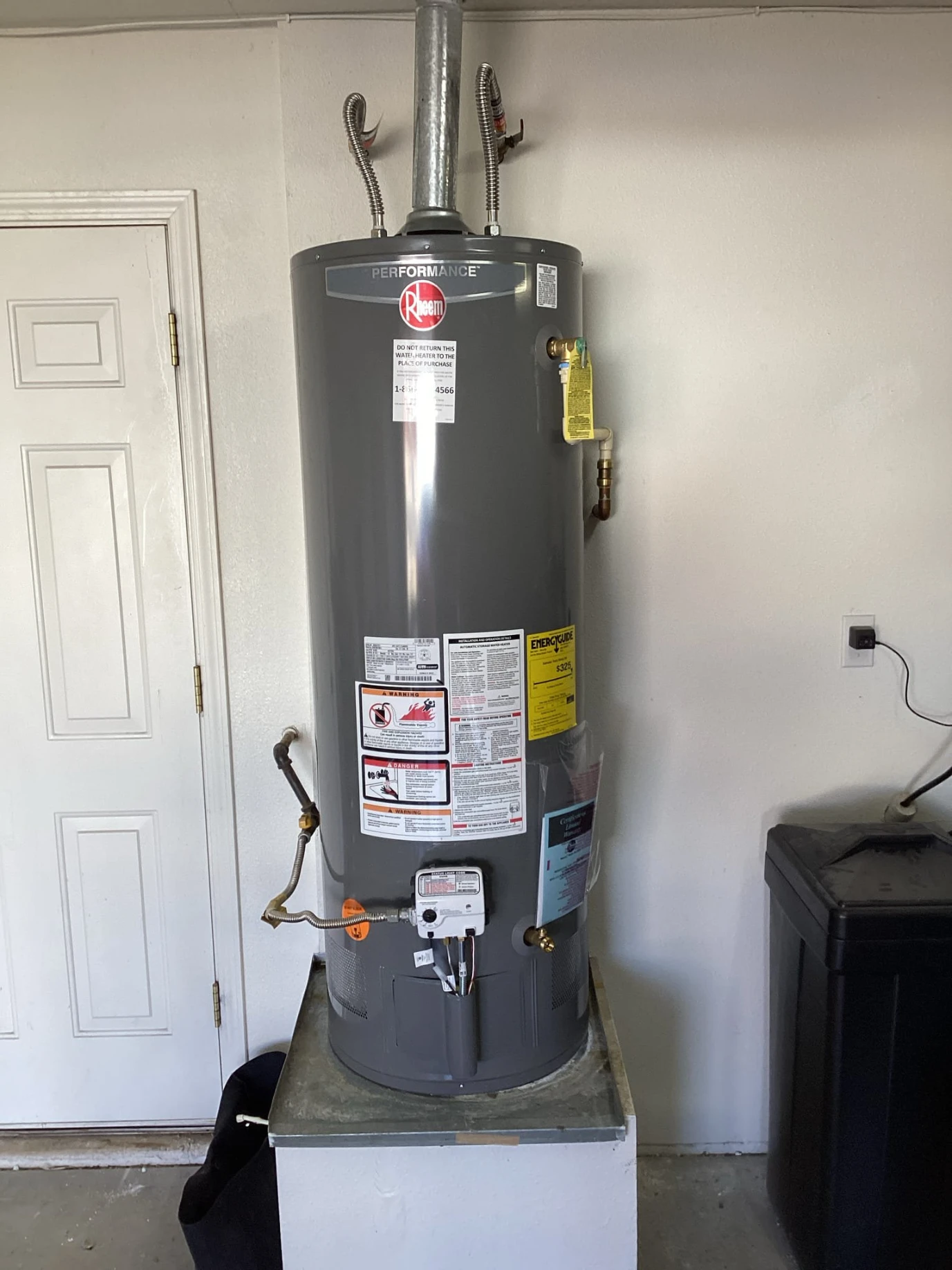
Your water heater likely needs replacement in 2026 if it is over a decade old, showing signs of mechanical failure, or requiring frequent maintenance to remain operational. Most units reach the end of their functional lifespan after ten to fifteen years, with performance declining significantly as components age. Planning a proactive upgrade prevents the stress of emergency failures and allows you to transition to modern, high-efficiency technologies that significantly reduce your household’s energy footprint.
Age and Performance Assessment
The primary factor in determining your replacement timeline is the unit’s age. According to the International Association of Certified Home Inspectors, conventional tank water heaters typically last between 8 and 12 years, while tankless models may remain functional for two decades or more. If your system was installed prior to 2014, it has likely exceeded its expected service life. Beyond the manufacturing date, watch for performance indicators such as inconsistent water temperatures, increased recovery times, or a noticeable decrease in hot water volume during peak usage hours.
Repair Complexity Versus Replacement Value
When a water heater malfunctions, you must weigh the complexity of the repair against the overall value of the aging unit. A general professional water heaters repair and installation guideline suggests that if a repair requires replacing major internal components on a unit past its prime, a full replacement is the more sustainable choice. Components such as heating elements, thermostats, or pressure relief valves can be replaced, but Simpson Plumbing recommends evaluating the frequency of these issues. If a unit requires multiple professional interventions within a short period, it typically signals systemic failure rather than isolated component wear.
Repair vs. Replacement Feasibility Analysis
Issue Type
Repair Complexity
Recommended Action
Leaking Tank
Critical
Immediate Replacement
Faulty Thermostat
Low
Repair if unit is mid-life
Broken Heating Element
Moderate
Repair if unit is mid-life
Rust-Colored Water
High
Replace if unit is over a decade old
No Hot Water
Variable
Assessment required based on unit age
Energy Efficiency Considerations
Modern water heating technology provides a level of efficiency that was unavailable a decade ago. According to the U.S. Department of Energy, heat pump water heaters are significantly more efficient than standard electric resistance models because they move heat rather than generating it. For homes with gas infrastructure, tankless units provide a continuous supply of hot water without the energy waste of maintaining a large standing tank of heated water. Upgrading in 2026 allows homeowners to capitalize on these technological leaps, reducing long-term utility consumption and supporting a more sustainable home environment.
Expert Tip: Evaluate your household’s peak demand when choosing new technology. Large families with simultaneous needs often prefer high-capacity tanks, while households with staggered usage can maximize the efficiency of a tankless “on-demand” system.
Signs of Impending Failure
Several physical warning signs indicate that a water heater is nearing the end of its life. Water pooling around the base of the tank, unusual rumbling or “popping” noises caused by sediment buildup, and visible corrosion on the tank or connection valves are all indicators of advanced deterioration. Furthermore, if your water appears cloudy or contains metallic flakes, the interior lining of the tank may be disintegrating. Addressing these symptoms early prevents potential water damage and allows for a planned installation rather than an emergency rush.
Regional Climate Impact
Local environmental conditions play a major role in how hard your water heater must work. In the Pacific Northwest, where groundwater temperatures remain cool year-round, heaters must work harder to reach the desired output than in tropical climates. For homeowners in this region, selecting a unit specifically sized for colder intake temperatures ensures a reliable hot water supply during the winter months when heating demand is at its peak.
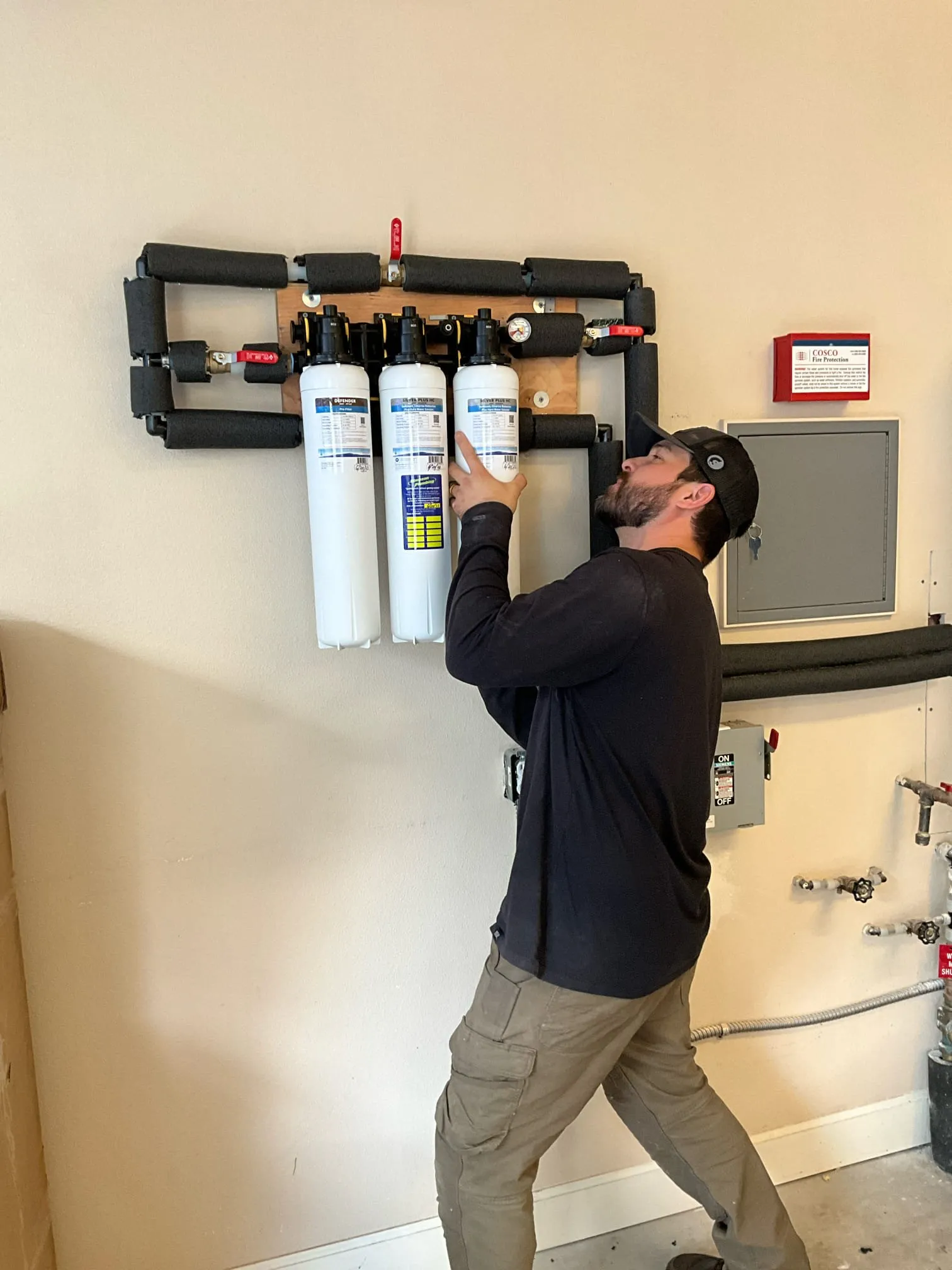
Expert Tip: If you live in an area with high mineral content in the water, installing a water softener in conjunction with a new heater can significantly extend the unit’s lifespan by preventing scale accumulation on heating elements.
Things to Consider Before Making a Decision
Before finalizing your 2026 replacement plan, consider your household’s growth and future home plans. A larger family may require a high-capacity 50-gallon tank, whereas a smaller household might be better served by a compact, high-efficiency model. Furthermore, according to Energy Star, homeowners may be eligible for federal tax credits and local utility rebates when they choose certified high-efficiency models. These incentives make it easier to justify the transition to premium, eco-friendly technology.
Final Considerations for Your 2026 Decision
Deciding to replace your water heater in 2026 is an investment in your home’s reliability and efficiency. By monitoring your unit’s age and condition now, you can avoid the inconvenience of a cold shower or a flooded utility room. Reviewing your utility usage and current performance issues will provide the data needed to choose the right technology for your specific household needs.
Professional Consultation Available
For homeowners planning a water heater replacement in 2026, Simpson Plumbing provides comprehensive assessments and system planning. Their team offers professional evaluations of your current infrastructure and can recommend the most efficient replacement options based on your home’s layout and usage patterns. Contact Simpson Plumbing at [email protected] or call (360) 325-4646 to schedule a pre-emptive inspection and ensure your home is ready for the future.
Frequently Asked Questions
Should I switch from electric to gas?
Transitioning fuel types is a viable option if your home is already equipped with a natural gas line. While gas units often provide faster recovery times, the conversion requires professional installation of proper venting and fuel lines.
How long does a professional installation take?
A standard, “like-for-like” replacement can usually be completed within a few hours. However, if you are switching technologies, such as moving from a tank to a tankless system, the process may take a full day to accommodate new plumbing solutions and venting requirements.
Are tankless water heaters worth the transition?
Tankless units are excellent for those who value space-saving designs and an endless supply of hot water. They are particularly beneficial for long-term homeowners who plan to stay in their residence long enough to see the benefits of reduced energy consumption.
What maintenance prevents premature failure?
Flushing the tank annually to remove sediment is the most effective way to maintain efficiency. Additionally, having a professional inspect the anode rod every few years can prevent the tank from corroding from the inside out.
Sources
U.S. Department of Energy – Official data regarding water heating efficiency, energy consumption standards, and technological comparisons.
Energy Star – Comprehensive guidance on energy-certified appliances and available federal tax incentives for high-efficiency home upgrades.
Membership benefits significantly reduce water filtration costs in Vancouver, WA, by providing discounted equipment pricing, waived service fees, priority scheduling,…
Simpson Plumbing was created and founded by Dale Simpson’s passion and commitment to providing quality plumbing work in Camas, Vancouver, WA, and surrounding areas.