

Not all water filtration works the same way. Reverse osmosis (RO) is one of the most effective methods for improving drinking water right at the tap. Simpson Plumbing & Filtration installs reverse osmosis systems for homeowners throughout Vancouver, WA. Many of them want the cleanest possible water for drinking, cooking, and everyday use.
This page covers how reverse osmosis works, how it compares to other filtration systems, whether reverse osmosis water is healthy, and what installation looks like for your home.
Reverse osmosis is often shortened to RO. It is a water filtration process. Tap water gets pushed through a semi-permeable membrane. This membrane has pores so small that water molecules pass through while contaminants get left behind. An RO system usually works in stages. It starts with a sediment pre-filter. Next, it moves through one or more carbon filters. It finishes with the RO membrane itself.
Each stage of a multi-stage RO system targets something different. Sediment filters catch dirt and rust particles. Carbon filters reduce chlorine and improve taste and odor. The RO membrane forces water through under pressure. This step reduces dissolved solids, heavy metals, and many organic compounds. Other filtration systems tend to miss these.
The result is water with far less total dissolved solids, often called TDS for short. Tap water can carry a wide range of dissolved minerals and compounds. An RO membrane reduces most of them. That means noticeably cleaner, better-tasting water at the faucet.
Homeowners researching reverse osmosis systems usually run into two main options.
Under-sink reverse osmosis systems install beneath the kitchen sink. They connect to a dedicated filtered water faucet. This is the most common setup. It targets drinking and cooking water without requiring changes to the rest of your home's plumbing. Installation is usually quick, and the system stays out of sight beneath the sink.
Whole-house reverse osmosis systems treat water at the point where it enters your home. Every faucet delivers filtered water, not just the kitchen. This is a bigger investment and a more involved installation. It makes sense for homes where water quality concerns go beyond drinking water. Households dealing with high total dissolved solids throughout their entire water supply are a good example.
Simpson Plumbing & Filtration installs both types of osmosis systems. We can help you decide which one fits your household's needs and budget.
This is one of the most common questions we hear. The honest answer is yes. Reverse osmosis water is safe and healthy to drink for most households. RO systems are built to reduce contaminants like heavy metals, nitrates, and many organic compounds. At the same time, they keep the water safe for daily use.
One thing worth knowing: RO membranes work so well that they also reduce some beneficial minerals, like calcium and magnesium, along with the contaminants. This does not make the water unsafe. Most people get these minerals from food anyway, not tap water. Some homeowners add a remineralization stage if they want those minerals added back in. We are happy to walk you through that option during your consultation.
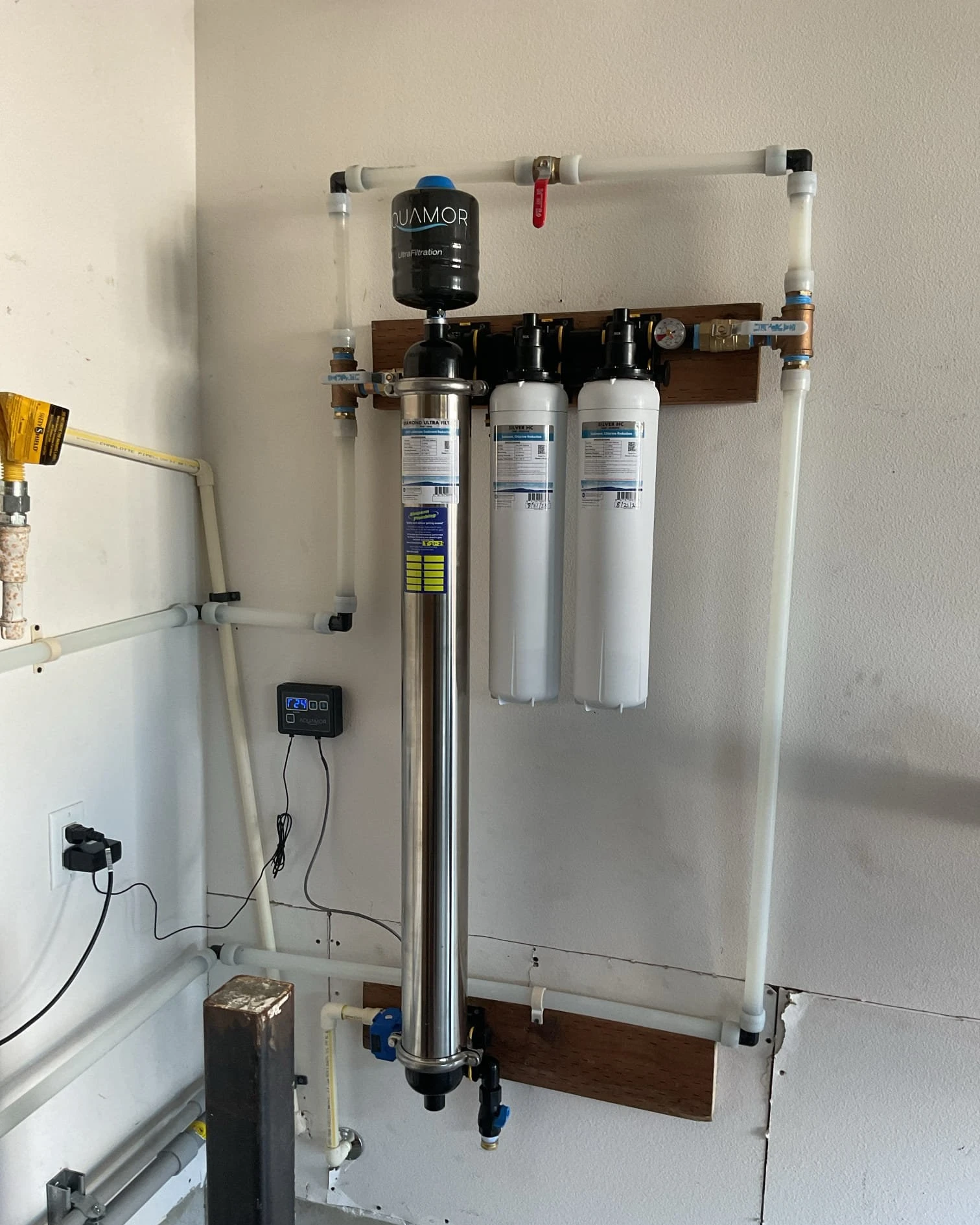
It helps to understand how reverse osmosis fits alongside whole home water filtration. The two solve different problems. Whole home filtration systems address water quality throughout the entire house. They reduce chlorine, sediment, and general water quality issues at every tap. Reverse osmosis goes a step further for drinking water. It targets a broader range of contaminants and dissolved solids right where you drink and cook.
Many households in Vancouver, WA use both together. Whole home filtration handles general water quality for showers, laundry, and daily use. A dedicated reverse osmosis system then delivers the highest possible water quality at the kitchen tap. If you already have a whole home filtration system, adding reverse osmosis water filters at the kitchen sink is simple. It is not a separate project from scratch.
A properly installed RO system reduces a wide range of contaminants found in both municipal and well water supplies:
Not every home has all of these issues, and that is normal. Water quality varies from house to house, even within the same neighborhood. Older homes with aging pipes sometimes see higher trace metal levels. Homes near agricultural areas may see more nitrates. A test tells us your specific situation. We do not assume the worst.
The exact contaminants in your water depend on your source. Municipal water and private well water often carry different things. That is why we recommend a water quality test before choosing a system. Testing tells us exactly what your water needs. We do not have to guess.
Reverse osmosis installation is fairly quick for our technicians. The timeline depends on whether you choose an under-sink system or a whole-house unit. Under-sink installations usually take a few hours. We connect to your existing water supply line and add a dedicated filtered water faucet at your sink. Whole house systems take longer. They involve installing the unit at the main water line entry point, where water first enters your home.
Once installed, RO systems need periodic filter changes to keep working well. Sediment and carbon pre-filters typically need replacement every six to twelve months. The RO membrane itself lasts longer. It generally holds up for two to five years, depending on your water quality and usage.
We give you an honest, upfront estimate before any installation begins. We will always tell you which type of system actually fits your household. We do not just push the most expensive option.
Some homeowners also ask about maintenance beyond filter changes. Beyond swapping filters on schedule, RO systems generally do not need much attention. There are no moving parts to wear out the way a water softener's brine tank does. A brief annual check during your regular plumbing maintenance visit is usually enough to confirm everything is working the way it should.
Water quality is not the same in every home. Vancouver, WA homes on municipal water and homes on private wells often deal with different issues entirely. Some neighborhoods see higher mineral content. Others deal more with chlorine taste or sediment. That variation is exactly why guessing at a filtration solution rarely works well. A water quality test tailored to your address gives us real numbers to work from. That way, the system we recommend actually matches what is coming out of your tap.
RO systems do reduce some beneficial minerals like calcium and magnesium along with contaminants. This does not make the water unhealthy. A remineralization stage is available if you want those minerals restored.
Sediment and carbon pre-filters typically need replacement every six to twelve months. The RO membrane itself generally lasts two to five years with proper maintenance.
Standard filtration systems, like carbon filters, improve taste and reduce chlorine, sediment, and odor. Reverse osmosis goes further. It uses a semi-permeable membrane to reduce a much wider range of contaminants. That includes total dissolved solids and heavy metals.
Not necessarily, but many households choose both. Whole home filtration handles general water quality throughout the house. Reverse osmosis targets the highest possible water quality just for drinking and cooking.
A properly sized and installed system should not noticeably affect water pressure at your other fixtures. Under-sink systems only affect the dedicated filtered faucet. The rest of your home's water supply stays untouched.
A water quality test is the best way to know. It shows exactly what is in your water supply. This includes total dissolved solids and any contaminants present. That way, we can recommend the right filtration systems for your home.
Cost depends on whether you choose an under-sink system or a whole-house system, along with your home's setup. We provide a free, honest estimate after seeing your specific needs.
If you are ready for cleaner, better-tasting drinking water, Simpson Plumbing & Filtration is here to help. Call (360) 325-4646 to schedule your water quality review and find out which reverse osmosis system fits your Vancouver, WA home.